My 5 Top Tips For Recovering From the Post-Holiday Blues
Introduction: Why do we get the post-holiday blues?
You’ve returned from a lovely summer break, unpacked your suitcase, and suddenly everyday life feels a little flat. If you find yourself feeling low after a holiday, lacking motivation, or wishing you were still away, you’re certainly not alone, so I’m going to share with you my top 5 ways to recover from the post-holiday blues.
Research supports the idea that holidays can have a meaningful effect on well-being. A 2025 meta-analysis of 32 studies found that vacations significantly improved employee well-being, with benefits lasting longer than earlier research had suggested. Psychological detachment from work and physical activity while away appeared particularly beneficial.
However, other research helps explain why post-holiday blues, sometimes called post-vacation blues, can occur. A study of more than 1,500 people found that holidaymakers were happier in the period leading up to their trip, but for most people this increase in happiness did not persist after returning home. Interestingly, people who described their holidays as ‘very relaxing’ experienced benefits for longer.
So if you’re experiencing post-summer holiday blues, rather than simply wishing yourself back onto the beach, there are ways to make the transition into the everyday stress of life a little easier.
1. Bring something from your holiday back into everyday life
Think about what actually made you feel good while you were away.
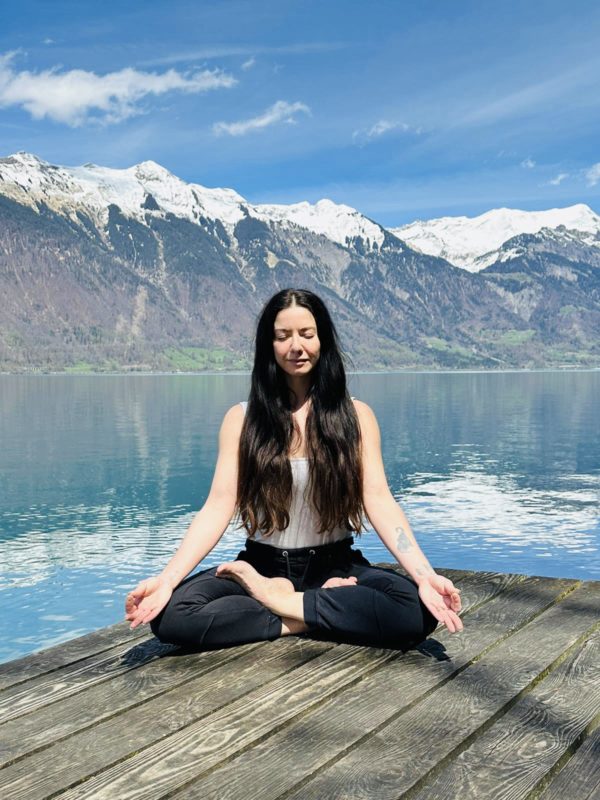
Perhaps you walked every morning, spent more time outdoors or reading, ate slower, meditated, swam,, enjoyed more quality time with family or friends, or spent considerably less time looking at your phone…
Recent vacation research suggests that it isn’t simply being away that matters. Psychological detachment from work and physical activity during holidays appear to be particularly associated with improved well-being.
Rather than trying to recreate your holiday, choose one of its beneficial components, and incorporate it into ordinary life. Just pick one and make a conscious effort to pick 1 day, and maybe even just 1 hour, in which you can commit to doing it. It might mean an evening walk, setting time aside for a call with a friend, keeping your phone away from the dinner table, reading more, meditating, or dedicating 1 hour of your weekend to a holiday related activity for instance.
Sometimes the best way to deal with post-vacation blues is not to leave the holiday behind entirely, and incorporate an element of it into your regular week or day-to-day.
2. Don’t try to restart your entire life on day one
Returning home often comes with an impressive list of good intentions: catch up on work, answer every email, exercise every day, eat perfectly, clean the house and reorganise your life. But don’t put pressure, or unrealistic expectations, on yourself to do all of it at once. Give yourself a break and permission to ease back into thing gently.
Research has repeatedly shown that some of the well-being benefits of holidays diminish once normal work demands resume, although newer evidence suggests the effect may last longer than previously believed.
So when returning to work after holiday, give yourself a little space to transition. Prioritise what genuinely needs doing and allow less important tasks to wait. Getting back into a routine after holiday doesn’t have to happen within 24 hours.
Personal tip: when possible I like to arrive home from a holiday a couple of days before I have to get back to work. That way the transition is smoother and less rushed. I have time to wash clothes, do the grocery shopping, and set up the new ground rules or routine, that I’d like to stick to for the next few months.
3. Re-establish the routines that make you feel good
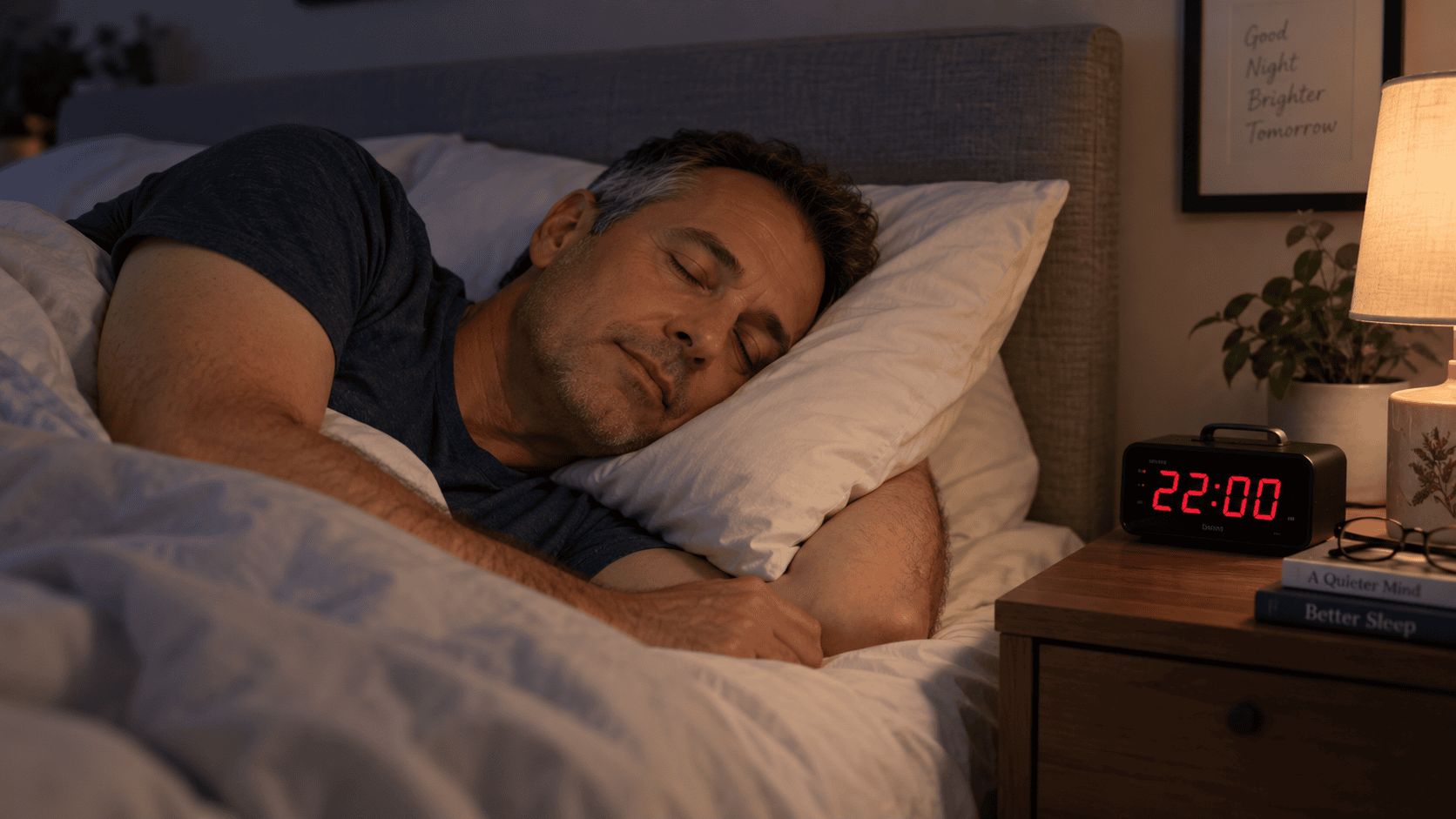
Once you have settled back in, gently return to the habits that support your well-being: regular sleep, nutritious meals, exercise, time outside and whatever meditation or mindfulness practice works for you.
Sleep regularity may be particularly important. Research has associated irregular sleep timing with lower psychological well-being and more depressive symptoms, while broader research links greater sleep consistency with better health outcomes.
Movement is another useful anchor. In a large study involving more than 1.2 million adults, people who exercised reported fewer days of poor mental health than otherwise similar people who did not exercise.
The key is not to compensate for your holiday by suddenly adopting an extreme routine. Return to the simple habits that usually help you feel physically and mentally balanced.
4. Practise being where you are, rather than wishing you were somewhere else
One of the hardest aspects of post-holiday blues is comparison. Last week you were watching the sunset beside the sea; this week you’re doing laundry and answering emails.
Mindfulness offers another approach: noticing where you are now rather than continually comparing the present moment with the recent past.
Research supports this principle. In two randomised controlled trials, mindfulness training that included both present-moment monitoring and acceptance increased positive emotions in daily life. Pairing mindfulness with the practice of gratitude brings increased psychological and physical benefits. Appreciating what we have in the here and how, instead of what we had while on holiday, fosters positive emotions. As the Buddha said:
‘Unhappy people focus on what they don’t have. Happy people focus on what they do have.’
In the well-known Counting Blessings Versus Burdens study, participants who regularly focused on things they were grateful for showed improvements in aspects of well-being compared with control groups. A much larger 2023 systematic review and meta-analysis of 64 randomised trials similarly found that gratitude interventions were associated with better mental health and more positive mood and emotions.
Gratitude doesn’t mean convincing yourself that ordinary life is as exciting as a holiday. It simply trains your attention to notice that enjoyable things are still present. So try deliberately noticing small enjoyable moments already happening around you: morning sunlight, your first coffee, a conversation with someone you love, walking outside, cooking dinner, or sleeping in your own bed.
This is gratitude and mindfulness after holiday in its simplest form.
5. Give yourself something to look forward to
Interestingly, some of the happiness associated with holidays may happen before they even begin.
In the vacation study mentioned earlier, holidaymakers reported greater happiness before their trips than people who were not going away, with the researchers suggesting that anticipation may partly explain the difference.
You don’t need to immediately book another two-week holiday to use this idea.
Plan a dinner with friends, a weekend walk, a concert, a yoga class, a day trip, a massage, a retreat, or simply an afternoon somewhere you enjoy.
Having enjoyable experiences dotted throughout ordinary life gives you something to anticipate without making your well-being dependent upon the next big holiday.
What might your post-holiday blues be telling you?
Finally, rather than seeing the end-of-summer blues simply as something you need to get rid of, it may be worth listening to them.
Ask yourself:
What did I have on holiday that I don’t have enough of in everyday life?
Perhaps it was rest. Nature. Connection. Movement. Novelty. Freedom. Sleep. Less screen time. Fewer commitments. Or simply more space to do nothing.
The contrast between holiday life and everyday life can sometimes highlight something that needs greater attention.
So instead of only asking how to beat the post-holiday blues, consider asking a slightly more useful question:
What can I learn from the way I felt on holiday, and how can I bring a little more of that into the life I already have?
You may not be able to stay on holiday forever. But you can take some of what made you feel good there with you.
Top 2 Takeaways
- Practice gratitude for what you have in your normal day-to-day life, instead of the ‘grass is greener’ attitude of wishing you were back in the past experience of your holiday.
- Nurture yourself by fitting in time to do things that brought you happiness while on holiday, or that make you feel good. Take care of your mental and physical health by prioritising your sleep, diet, and exercises, and give yourself something to look forward to.
-➤ To explore more of these ideas with Charlie book her 4 Days Yoga & Meditation Spa Retreat on tranquil Lake Schwarzsee or certify as a 200 hrs Yoga Alliance teacher on her 2 weeks Teacher Training Course in France.