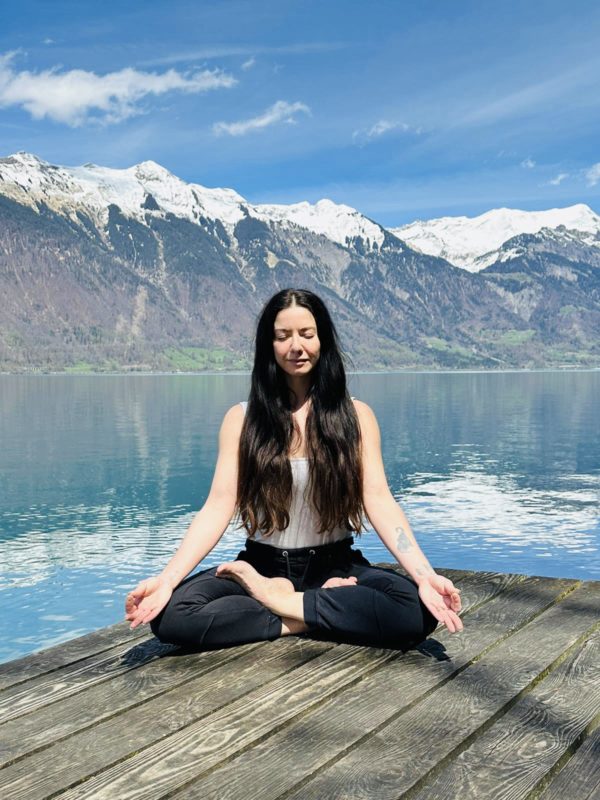
What Research Says Is The Best Science-Backed Meditation Techniques
Meditation is often spoken about as if all techniques produce the same benefits, but this is not what the research shows so far. Some meditation methods have been studied much more extensively than others, and different practices appear to train different mental, emotional, and physiological skills. However just because a technique hasn’t been scientifically studied, doesn’t render it useless. The consensus is that whichever contemplative or focusing practice you choose, it is going to be hugely beneficial.
Before we get into the science, my years of teaching meditation can confirm that the number 1 meditation technique is going to be the one you stick to. There is no 1 type of meditation that will suit everyone, and science has proven that the practice needs to be consistent in order to yield benefits. Therefore if one meditation method doesn’t work for you, try another until you find the one that resonates with you, and you’re likely to stick to. Accept that like everything in life, it can take time, and that some days it will feel like a better experience than others.
That said, the best science-backed meditation techniques are generally the ones that have been tested in randomized controlled trials, systematic reviews, meta-analyses, and clinical research.
This article is going to look at:
- Mindfulness-Based Stress Reduction
- Mindfulness-Based Cognitive Therapy
- Focused Attention Meditation
- Open Monitoring Meditation
- Body Scan Meditation
- Loving-Kindness Meditation
- Compassion Meditation
- Mantra Meditation
- Breath-Based Meditation
- Yoga Nidra
It is however important to use correct language. Meditation is not a cure-all, and science does not “prove” its benefits in an absolute sense. A better phrase is “science-backed meditation techniques,” meaning practices that have been shown in research to support specific outcomes, such as stress reduction, anxiety reduction, emotional regulation, attention training, depression relapse prevention, pain coping, sleep quality, or self-compassion.
What Makes a Meditation Technique Science-Backed?
Meditation methods are science-backed when they have been studied in well-designed research, especially:
- randomized controlled trials,
- systematic reviews,
- meta-analyses,
- clinical trials,
- active comparison studies,
- long-term follow-up studies,
- studies with clearly defined meditation methods,
- studies that measure specific outcomes, such as anxiety, depression, pain, sleep, attention, or blood pressure.
The most researched meditation methods are usually structured programmes, such as MBSR and MBCT, rather than vague or loosely defined meditation practices. This matters because structured programmes are easier to study, repeat, compare, and teach, but are not necessarily the ‘best’ methods for everyone, and there are many different techniques to choose from.
1. Mindfulness-Based Stress Reduction, MBSR
What it is
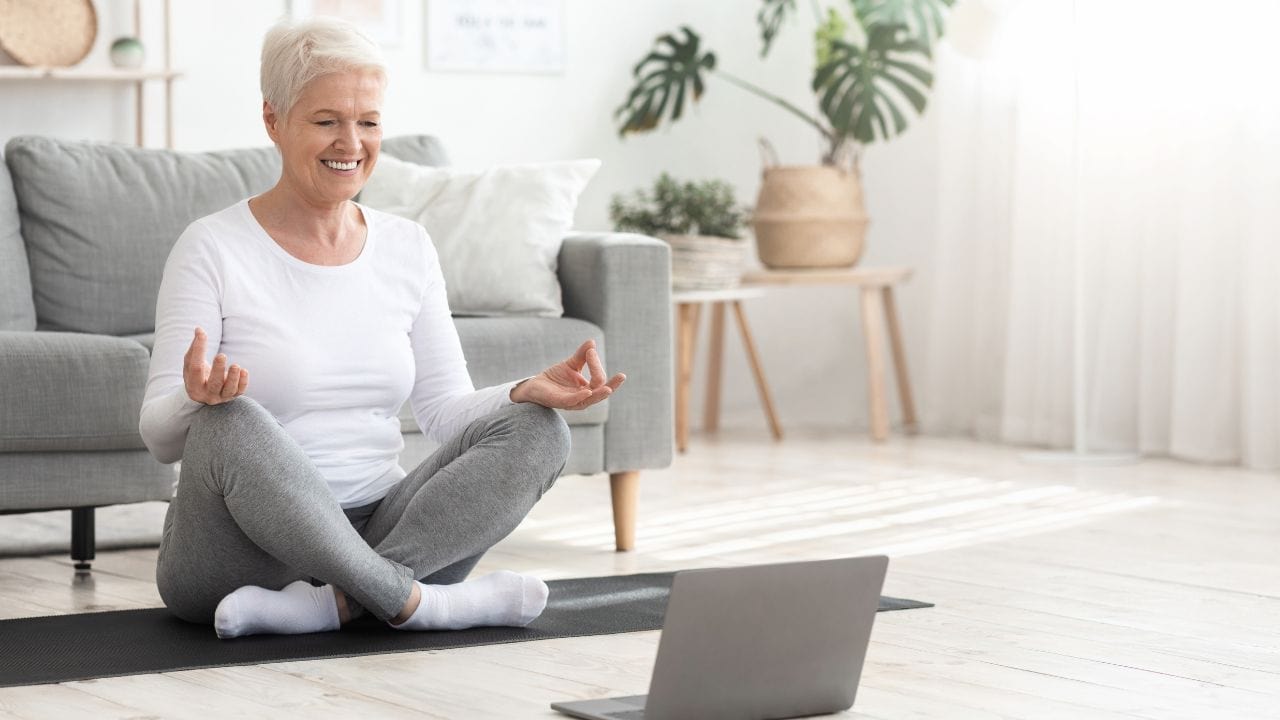
Mindfulness-Based Stress Reduction, or MBSR, is one of the most researched meditation-based programmes in the world. 4It was developed by Jon Kabat-Zinn as an eight-week secular mindfulness programme. MBSR usually includes breath awareness, body scan meditation, sitting meditation, mindful movement, gentle yoga, and mindfulness in daily life.
MBSR is not one single meditation technique. It is a structured evidence-based meditation programme that teaches people to notice present-moment experience with openness, curiosity, and non-judgement.
What research says
MBSR has some of the strongest scientific evidence of all meditation methods.
A major review by Goyal et al., published in JAMA Internal Medicine in 2014, analysed 47 clinical trials with 3,515 participants. The review found moderate evidence that mindfulness meditation programmes improved anxiety, depression, and pain. The effects were not presented as miraculous, but they were meaningful enough to support mindfulness meditation as a legitimate approach for psychological stress and wellbeing. [1]
A randomized clinical trial by Hoge et al., published in JAMA Psychiatry in 2023, compared an eight-week MBSR programme with escitalopram, a commonly prescribed medication for anxiety disorders. The study included 276 adults with diagnosed anxiety disorders. MBSR was found to be non-inferior to escitalopram, meaning it performed comparably to the medication on the main anxiety outcome in that trial. [2]
This does not mean MBSR should replace medication for everyone. It means that MBSR is one of the best meditation techniques backed by science for stress and anxiety when taught properly and practised consistently.
How to practise MBSR-style meditation
- Sit or lie down in a comfortable, alert position.
- Bring your attention to the natural breath.
- Notice the breath in the belly, ribs, chest, or nostrils.
- When the mind wanders, gently notice that it has wandered.
- Return attention to the breath without criticising yourself.
- Expand awareness to include sounds, body sensations, thoughts, and emotions.
- Practise allowing experience to be present without immediately reacting to it.
- End by sensing the whole body and the space around you.
What makes MBSR different?
MBSR is broader than simple breath meditation. It combines breath awareness, body scan meditation, sitting meditation, mindful movement, and daily life mindfulness. It is especially useful for stress, anxiety, pain coping, burnout, and emotional regulation.
2. Mindfulness-Based Cognitive Therapy, MBCT
What it is
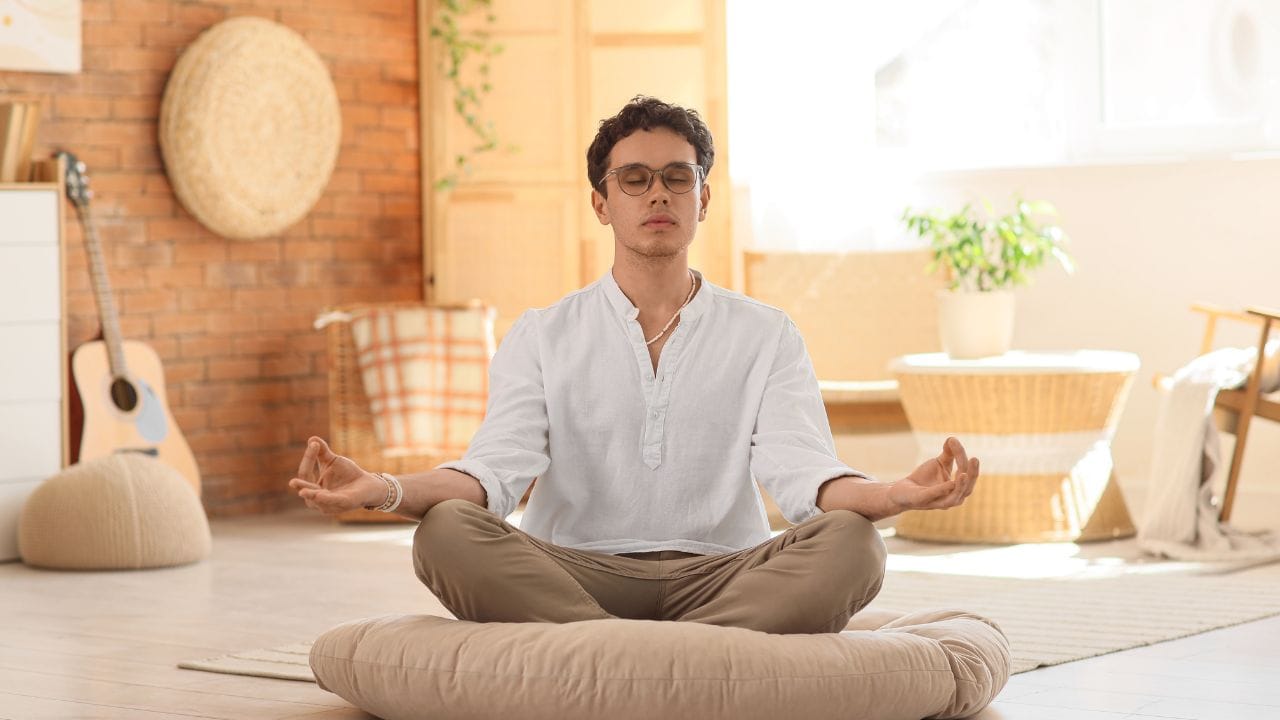
Mindfulness-Based Cognitive Therapy, or MBCT, combines mindfulness meditation with elements of cognitive therapy. It was originally developed to help prevent relapse in people with recurrent depression.
MBCT teaches people to recognise negative thoughts, rumination, and emotional patterns before they spiral into depression or anxiety. Rather than trying to suppress thoughts, MBCT teaches students to observe them as passing mental events.
What research says
MBCT is one of the most evidence-based meditation methods for depression relapse prevention.
A major individual patient data meta-analysis by Kuyken et al., published in JAMA Psychiatry in 2016, examined nine randomized trials with 1,329 participants. The study found that MBCT reduced the risk of depressive relapse over a 60-week follow-up period compared with usual care, and had comparable outcomes to other active treatments. The benefits were especially relevant for people with recurrent depression and residual depressive symptoms. [3]
This makes MBCT one of the best science-backed meditation techniques for people who struggle with recurring depressive thinking, rumination, or strong identification with negative thoughts.
How to practise MBCT-style meditation
- Sit comfortably and bring attention to your breath.
- Notice thoughts as they arise.
- Label thoughts gently, such as “worrying,” “planning,” “remembering,” or “judging.”
- Notice how thoughts affect emotions and body sensations.
- Remind yourself, “This is a thought, not necessarily a fact.”
- Return attention to the breath or body.
- Allow emotions to be present without suppressing them or feeding them.
- Practise stepping back from the thought stream.
A common MBCT practice is the three-minute breathing space:
- Awareness: notice thoughts, emotions, and body sensations.
- Gathering: bring attention to the breath.
- Expanding: open awareness to the whole body.
What makes MBCT different?
MBSR focuses more broadly on stress, pain, anxiety, and daily life challenges. MBCT focuses more specifically on thoughts, mood, rumination, and depression relapse prevention.
3. Focused Attention Meditation
What it is
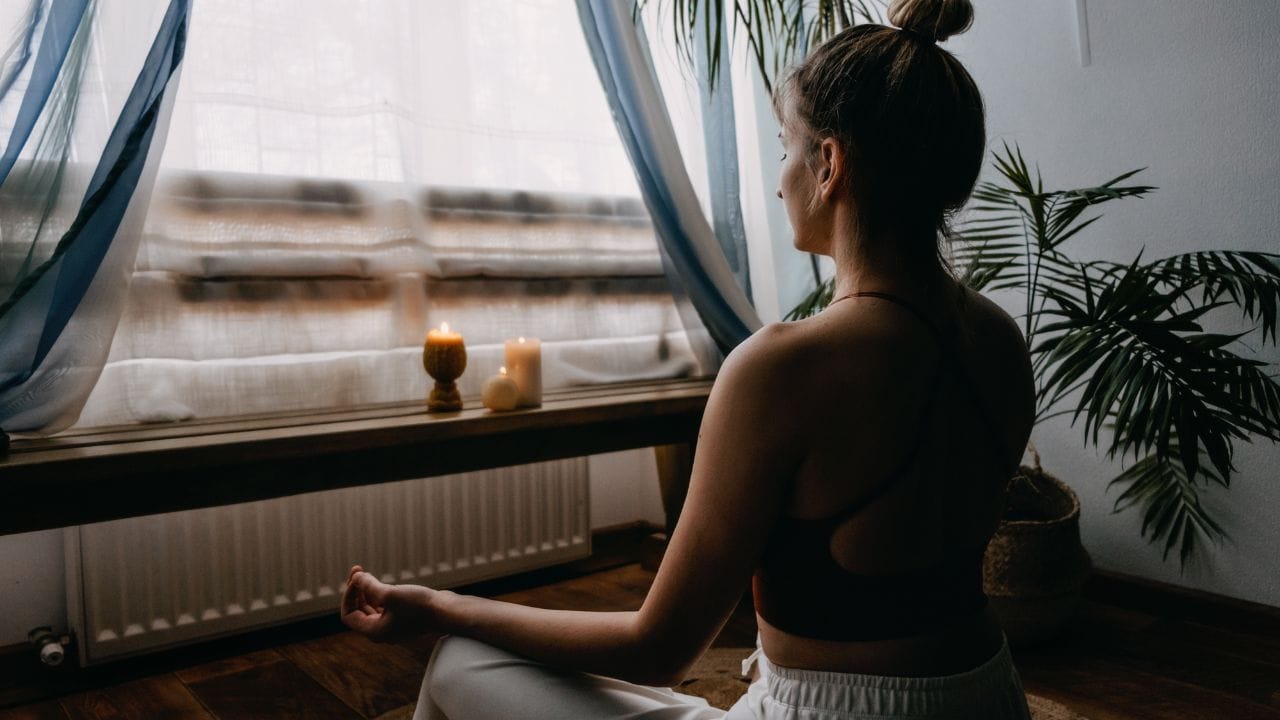
Focused attention meditation is one of the simplest and most widely used meditation techniques for beginners. In this practice, attention rests on one chosen object, such as the breath, a candle flame, a sound, a mantra, or a body sensation.
The aim is not to stop thinking. The aim is to notice when the mind wanders off, and gently return attention to the chosen anchor.
What research says
Focused attention meditation is often studied as part of mindfulness meditation research.
A study by Zeidan et al., published in Consciousness and Cognition in 2010, found that four days of mindfulness meditation training improved aspects of cognition and sustained attention in beginners. [4]
A study by Mrazek et al., published in Psychological Science in 2013, found that two weeks of mindfulness training improved working memory capacity and reading comprehension while reducing mind-wandering. [5]
These studies support the idea that focused attention meditation can train attention, reduce distractibility, and help people become more aware of when the mind has drifted.
How to practise focused attention meditation
- Sit upright in a comfortable position.
- Choose one object of attention, such as the breath at the nostrils.
- Rest your attention on that object.
- When the mind wanders, notice that it has wandered.
- Gently return attention to the object.
- Repeat this process without frustration.
- Continue for 5 to 20 minutes.
A simple instruction is: notice, soften, return.
 Meditation Tip
 Meditation Tip
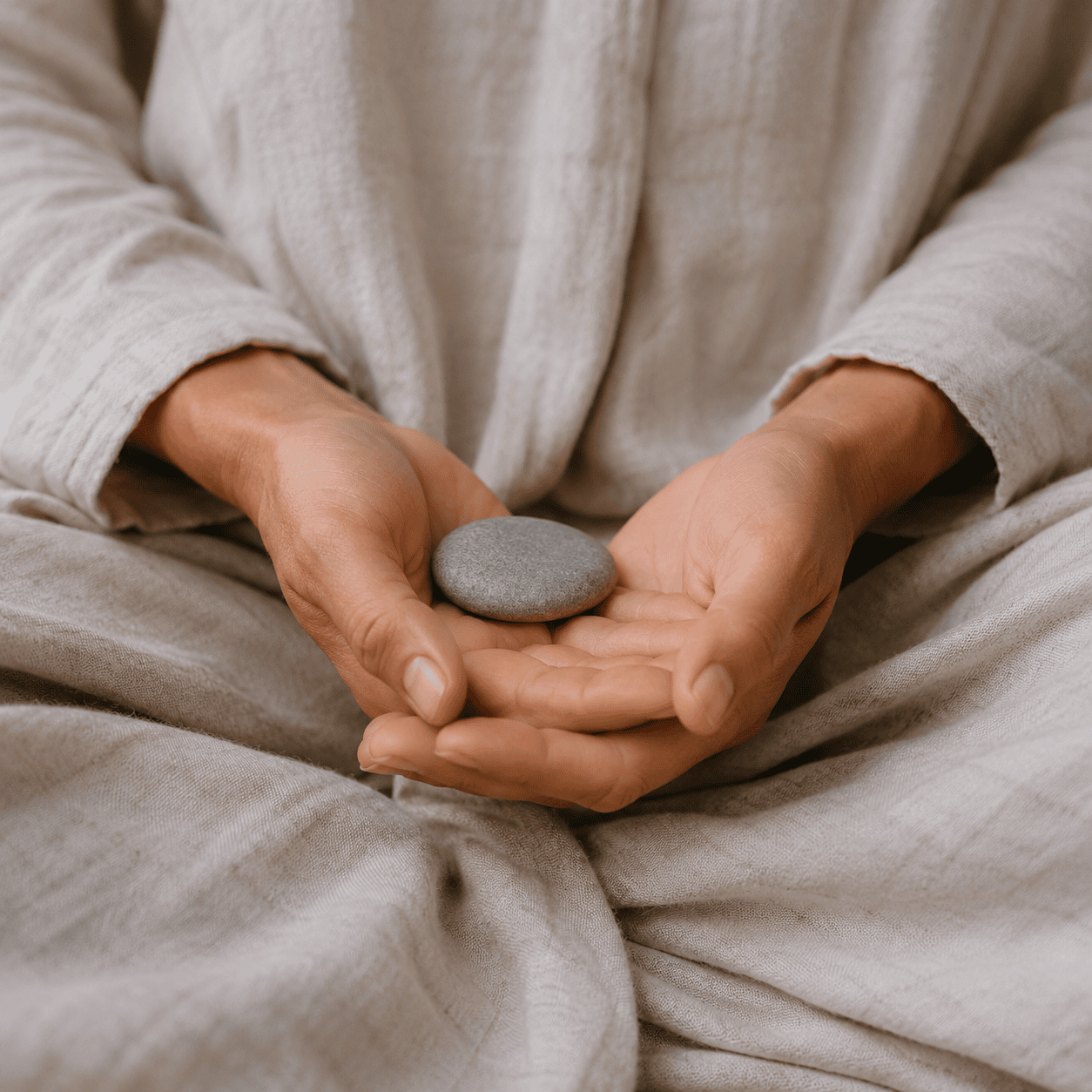
I find that at times when my mind is really racing, if I close my eyes to meditate I’m more distracted by thoughts or mental images. When this is the case I place a little object either in the palm of my hands or in front of me, in line with my eyesight without needing to move my neck into a different position. I open my eyes just a sliver and keep my attention on the object as my anchor point to come back to, if I do get distracted. However, make sure that the object doesn’t hold any significance or memories, and is inane enough to act as a meaningless point of focus.
What makes focused attention meditation different?
Focused attention meditation trains concentration. It gives the mind one clear anchor. This makes it especially useful for beginners, anxious minds, over-thinkers, and people who feel scattered or overstimulated.
4. Open Monitoring Meditation
What it is
Open monitoring meditation is a mindfulness meditation technique in which the practitioner observes whatever arises in awareness. This may include thoughts, sounds, emotions, body sensations, impulses, images, or changes in mood.
Unlike focused attention meditation, open monitoring does not use one single anchor as the main object. Instead, it trains spacious awareness and non-reactivity.
What research says
Open monitoring has been studied less often as a stand-alone intervention than MBSR or MBCT, but it is a major part of mindfulness training.
A review and meta-analysis by Fox et al., published in Neuroscience & Biobehavioral Reviews in 2016, reviewed 78 functional neuroimaging studies of meditation. The researchers found that different meditation styles, including focused attention, open monitoring, mantra recitation, and loving-kindness or compassion meditation, were associated with different patterns of brain activation. [6]
This supports an important point: meditation is not one single mental activity. Different meditation techniques appear to train the brain and mind in different ways.
How to practise open monitoring meditation
- Sit in a stable, comfortable position.
- Begin with a few minutes of breath awareness.
- Open your awareness to the whole field of experience.
- Notice sounds, sensations, thoughts, emotions, and impulses as they arise.
- Let each experience come and go without chasing it or pushing it away.
- Use gentle labels if helpful, such as “thinking,” “hearing,” “tightness,” or “sadness.”
- If you become lost in thought, return briefly to the breath.
- Then reopen awareness.
What makes open monitoring meditation different?
Focused attention meditation develops steadiness by returning to one object. Open monitoring meditation develops spacious awareness by observing all experience without clinging, suppressing, or reacting.
5. Body Scan Meditation

What it is
Body scan meditation is a mindfulness practice in which attention moves slowly through the body. It is often practised lying down and is a central part of MBSR.
The aim is to develop body awareness, interoception, grounding, and the ability to notice sensations without immediately reacting to them.
What research says
Body scan meditation is well known because it is used in MBSR, but the evidence for body scan meditation on its own is more limited.
A 2022 systematic review and meta-analysis by Gan et al. looked at body scan meditation as a stand-alone practice. The review found only small effects on mindfulness compared with passive controls and concluded that body scan meditation alone was not strong enough to improve broad health-related outcomes by itself. [7]
This does not mean body scan meditation is not useful. It means that it may be most effective when taught as part of a wider mindfulness programme, such as MBSR, rather than being presented as a complete intervention on its own.
How to practise body scan meditation
- Lie down or sit comfortably.
- Bring attention to the breath for a few moments.
- Begin with the feet or the crown of the head.
- Slowly move attention through each body region.
- Notice warmth, tingling, pressure, numbness, pulsing, tightness, or ease.
- If there is no strong sensation, simply notice that.
- Avoid forcing relaxation.
- When the mind wanders, return to the body part you were observing.
- Finish by sensing the whole body breathing.
Meditation Tip
Having researched probably every meditation app available, my number 1 recommendation is Insight Timer. It now has hundreds, if not thousands of guided meditations (and a lot of other features) even in the free version. Give yourself some time to go through it, find meditation styles you enjoy, and meditation teachers’ voices that resonate with you. There are some great Body Scan meditations on it of varying lengths.
What makes body scan meditation different?
Body scan meditation is more body-based than breath meditation. It is especially useful for people who feel disconnected from their bodies, live mostly in their heads, or hold stress physically. However, for people with trauma, chronic pain, or body anxiety, it should be taught gently and with choice.
6. Loving-Kindness Meditation aka Metta

What it is
Loving-kindness meditation, also known as metta meditation, is a practice of intentionally cultivating goodwill, warmth, friendliness, and kindness toward oneself and others.
Unlike mindfulness meditation, which mainly observes experience, loving-kindness meditation actively generates a specific emotional quality: goodwill.
What research says
Loving-kindness meditation has a growing evidence base for positive emotions, social connection, self-kindness, and compassion.
A well-known study by Fredrickson et al., published in the Journal of Personality and Social Psychology in 2008, found that loving-kindness meditation increased daily positive emotions. These positive emotions were linked to increases in personal resources, such as mindfulness, purpose in life, social support, and life satisfaction. [8]
A 2024 meta-analysis by Petrovic et al. found that loving-kindness interventions had positive effects on mindfulness, compassion, positive affect, negative affect, and psychological symptoms, although the effects were less clear when compared with active control groups. [9]
This means loving-kindness meditation is promising and well supported for emotional well-being, but it should not be exaggerated as a guaranteed cure for anxiety, depression, or relationship problems.
How to practise loving-kindness meditation
- Sit comfortably and bring awareness to the heart area.
- Begin by offering kind phrases to yourself (if this feels awkward to you, then I recommend skipping to the next step, and coming back to yourself after step 7).
-
Pick a few phrases, like the ones below or others you prefer, and repeat them silently to yourself while picturing the person in your mind. Contemplate the meaning of the phrases and focus your mind on the person before repeating them one more time, and then moving on to the next person:
May you be healthy.
May you be peaceful.
May you be safe.
May you live with ease. - Offer the same phrases to someone you care about.
- Extend the phrases to a neutral person.
- Extend them, gently, to a difficult person if appropriate.
- Finally, extend them to all beings.
- Do not force emotion. Focus on intention.
What makes loving-kindness meditation different?
Mindfulness meditation observes what is already present. Loving-kindness meditation cultivates warmth, friendliness, and goodwill. It is especially useful for harsh self-talk, loneliness, resentment, and emotional guardedness.
7. Compassion Meditation
What it is
Compassion meditation is related to loving-kindness meditation, but it focuses more directly on suffering and the wish to relieve suffering.
Loving-kindness says, “May you be happy and well.”
Compassion says, “May you be free from suffering.”
Compassion meditation may be directed toward oneself, someone one loves, a group, a difficult person, or all beings.
What research says
Compassion meditation has been studied for self-compassion, worry, emotional suppression, empathy, prosocial behaviour, and emotional resilience.
A randomized controlled trial by Jazaieri et al. studied Compassion Cultivation Training, a nine-week compassion programme. Compared with a waitlist control group, participants showed increased mindfulness and happiness, as well as reduced worry and emotional suppression. [10]
A 2019 meta-analysis by Ferrari et al. examined randomized controlled trials of self-compassion interventions. It found beneficial effects on depression, anxiety, stress, self-compassion, mindfulness, and life satisfaction. [11]
This suggests that compassion-based meditation can be particularly helpful for people who struggle with shame, self-criticism, emotional pain, caregiving stress, or difficulty meeting suffering with kindness.
How to practise compassion meditation
1. Sit quietly and bring awareness to the breath.
2. Bring to mind yourself or someone experiencing difficulty.
3. Acknowledge the suffering gently.
Repeat phrases such as:
- Take care of yourself in this moment of suffering.
- I acknowledge that suffering is part of being human.
- May I meet this pain with kindness and love.
- I will do what I can to relieve the suffering of others.
- May you be free from suffering.
- May you find strength and peace.
4. Sense the breath softening the body.
5. Imagine compassion flowing toward the place of pain, fear, or difficulty, or engulfing someone else.
6. End by grounding attention in the body.
What makes compassion meditation different?
Loving-kindness meditation cultivates goodwill and warmth. Compassion meditation specifically turns toward pain, fear, vulnerability, and suffering with care.
It can be powerful, but it should be introduced gradually, especially with people experiencing grief, trauma, or emotional overwhelm.
8. Mantra Meditation and Transcendental Meditation
What it is
Mantra meditation uses the repetition of a word, sound, or phrase as the object of attention. The mantra may be spiritual, traditional, secular, or personally meaningful.
Transcendental Meditation, or TM, is a type of mantra meditation taught through a standardised method.
What research says
Mantra meditation and TM have been studied most often in relation to stress, blood pressure, and cardiovascular risk markers.
A 2017 scientific statement from the American Heart Association reviewed meditation and cardiovascular risk reduction. The statement concluded that meditation may be a reasonable complementary approach for cardiovascular risk reduction, but that the overall quality and quantity of evidence were modest. [12]
A 2017 overview by Ooi et al. reviewed systematic reviews and meta-analyses of Transcendental Meditation for blood pressure. It suggested that TM may reduce systolic and diastolic blood pressure modestly, but also noted conflicting findings and potential risk of bias in parts of the evidence base. [13]
This means mantra meditation and TM may be useful for stress and relaxation, and possibly blood pressure support, but they should not replace medical care, exercise, nutrition, sleep, or prescribed treatment.
How to practise mantra meditation
- Sit comfortably with the eyes closed or softly lowered.
- Choose a simple word, sound, or phrase.
- Repeat the mantra silently in the mind.
- Let the repetition be gentle, not forced.
- When the mind wanders, return to the mantra.
- If the mantra becomes faint, allow it to be subtle.
- Continue for 10 to 20 minutes.
- Sit quietly before opening the eyes.
Examples of secular mantras include:
- Peace.
Let go.
Here.
I am safe.
Breathing in, breathing out.
Meditation Tip: Affirmations V Mantras
Many of my clients and students find it more beneficial to use traditional Sanskrit mantras, than words, phrases, or affirmations in their own language. It’s often easier to tune out and be less distracted, by words that don’t hold any weight or meaning. A study by Wood, Perunovic, and Lee, in 2009 showed that positive affirmations can be ineffective, or even backfire, when someone does not believe them, especially in people with lower self-esteem. Mantras may avoid this problem because they are usually used as an attention anchor, not as a statement the person might not believe. If you can’t seem to find a word or phrase in your own language that is working for you, research some easy Sanskrit mantras and see if one clicks with you in the moment.
What makes mantra meditation different?
Focused attention meditation often uses the breath or body as the anchor. Mantra meditation uses sound, word, or vibration. It can be helpful for people who find breath awareness uncomfortable, distracting, or anxiety-provoking.
9. Breath-Based Meditation and Slow Breathing Practices What it is
 What it is
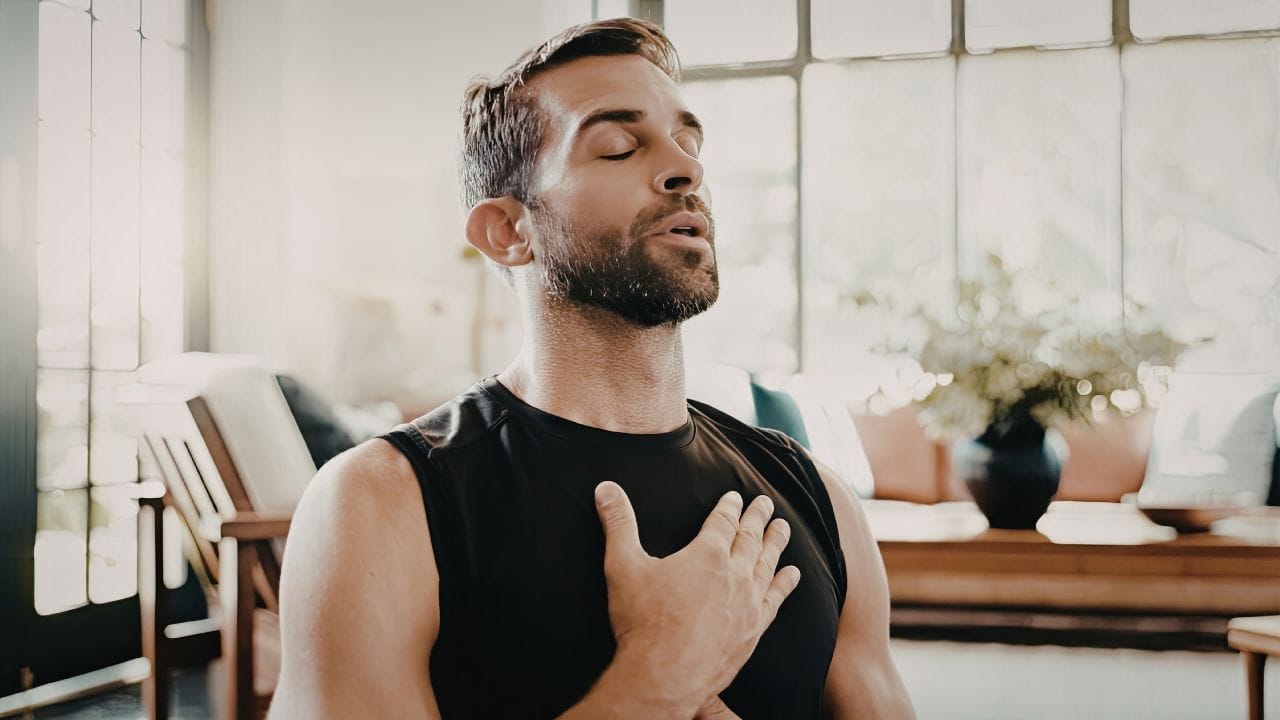
Breath-based meditation uses the breath as the main focus. Some practices observe the natural breath, while others intentionally regulate the breath through slow breathing, coherent breathing, or pranayama-style techniques.
Breath awareness is a meditation practice. Breath regulation overlaps with meditation but is often studied separately as breathwork.
What research says
Breathwork and slow breathing practices have been studied for stress, anxiety, depressive symptoms, and nervous system regulation.
A 2023 meta-analysis by Fincham et al., published in Scientific Reports, reviewed randomized controlled trials of breathwork. The analysis found that breathwork was associated with lower stress, anxiety, and depressive symptoms. The authors also urged caution and called for more rigorous studies, because breathwork research varies in quality. [14]
This makes breath-based meditation and slow breathing useful, practical, and promising, but they should be taught with nuance rather than exaggerated claims.
How to practise simple breath awareness
- Sit comfortably.
- Notice where the breath is easiest to feel.
- Observe the inhale and exhale without changing them.
- Notice the pauses that occur just after the inhale and just after the exhale.
- When the mind wanders, return to the physical sensation of breathing.
- Continue for 5 to 15 minutes.
How to practise slow breathing
- Sit upright or lie down comfortably.
- Inhale gently through the nose for around 4 seconds, feeling the chest and abdomen expand/’balloon’.
- Exhale slowly for around 6 seconds, feeling the abdomen ‘deflate’ back towards the spine.
- Keep the breath smooth and comfortable.
- Avoid strain, breath hunger, or dizziness.
- Continue for 3 to 10 minutes.
What makes breath-based meditation different?
Breath awareness trains attention by observing the breath as it is. Slow breathing intentionally changes the rhythm of the breath to influence the nervous system. Breath-based practices are often excellent meditation techniques for beginners, but people with panic, trauma, or breath-related anxiety may need gentler options, such as grounding through the feet, sounds, or touch.
10. Yoga Nidra
What it is
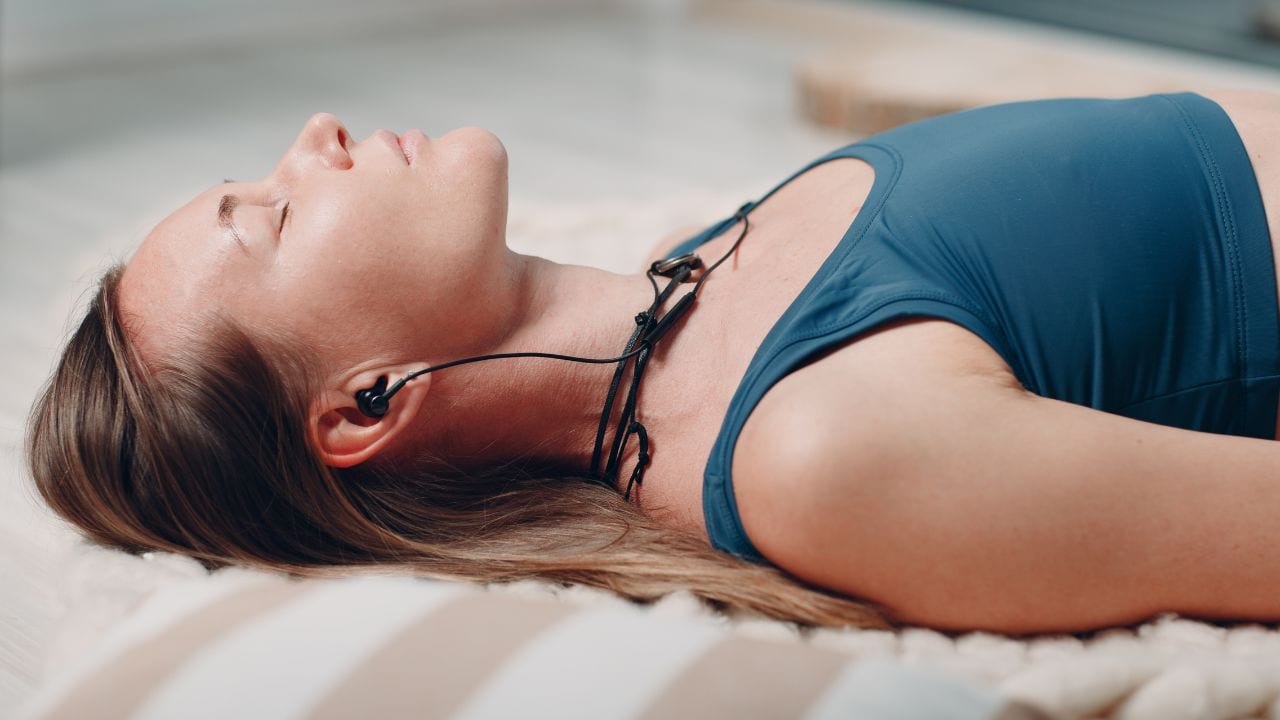
Yoga Nidra is a guided meditative practice usually done lying down. It often includes body awareness, breath awareness, rotation of consciousness through the body, imagery, opposites, intention, and deep relaxation.
It is sometimes described as “yogic sleep,” although the goal is not ordinary sleep. The aim is to remain aware while the body enters a deeply relaxed state.
What research says
Yoga Nidra has an emerging evidence base, especially for sleep, stress, and relaxation.
A randomized controlled trial by Datta et al., published in The National Medical Journal of India in 2021, studied Yoga Nidra in people with chronic insomnia. The study found that Yoga Nidra practice improved sleep in patients with chronic insomnia after supervised practice sessions. [15]
Compared with MBSR and MBCT, Yoga Nidra has fewer high-quality studies, so it is best described as promising rather than one of the most conclusively established meditation interventions.
How to practise Yoga Nidra
- Lie down comfortably in savasana.
- Support the body with blankets, a pillow, or an eye covering if needed.
- Set a simple intention.
- Follow guided awareness through different parts of the body.
- Notice the breath without controlling it.
- Allow images, sensations, emotions, or memories to arise and pass.
- Stay relaxed but aware.
- Return slowly by deepening the breath and sensing the room.
Meditation Tip
Yoga Nidra is much more effective when it is guided by someone else. For a full explanation of yoga nidra, including an audio recording I’ve made of a full guided yoga nidra session click HERE.
What makes Yoga Nidra different?
Most meditation techniques are practised sitting upright with alert attention. Yoga Nidra is usually practised lying down and emphasises deep relaxation. It may be especially useful for people who are exhausted, stressed, or sleep-deprived.
Comparing the Best Science-Backed Meditation Techniques
| Meditation method | Main focus | Best supported benefits | How it differs |
|---|---|---|---|
| MBSR | Present-moment awareness, body awareness, and stress reactivity | Stress, anxiety, pain, and psychological distress | A structured eight-week mindfulness programme |
| MBCT | Mindfulness plus cognitive therapy | Depression relapse prevention and rumination | Teaches people to relate differently to thoughts |
| Focused attention | Concentration on one object | Attention, focus, and reduced mind-wandering | Uses one clear anchor |
| Open monitoring | Awareness of whatever arises | Emotional regulation and metacognition | Observes all experience without one fixed object |
| Body scan | Interoception and body awareness | Grounding and mindfulness | Moves attention systematically through the body |
| Loving-kindness | Goodwill and warmth | Positive emotions, compassion, and connection | Actively cultivates friendliness |
| Compassion meditation | Meeting suffering with care | Self-compassion, worry reduction, and emotional resilience | Focuses specifically on suffering |
| Mantra meditation | Repetition of sound or phrase | Stress reduction and possible blood pressure support | Uses sound or word as the anchor |
| Breath-based meditation | Breath awareness or breath regulation | Stress, anxiety, and nervous system regulation | May observe or intentionally regulate breathing |
| Yoga Nidra | Guided relaxation and awareness | Sleep, stress, and deep rest | Usually practised lying down |
Which Science-Backed Meditation Technique Is Best for You?
- The best meditation technique depends on your goal, and is the one you’re going to stick to doing consistently.
- For general stress reduction, MBSR-style mindfulness meditation has one of the strongest evidence bases.
- For recurrent depression or rumination, MBCT is one of the best-supported meditation methods.
- For beginners, focused attention meditation or simple breath awareness is often the easiest place to start.
- For people who struggle with overthinking, open monitoring meditation can help develop a less reactive relationship with thoughts and emotions.
- For people who feel disconnected from the body, body scan meditation can help build interoception and grounding.
- For self-criticism, loneliness, or resentment, loving-kindness meditation can cultivate warmth and goodwill.
- For shame, grief, caregiving stress, or emotional pain, compassion meditation may be especially helpful.
- For people who dislike focusing on the breath, mantra meditation can offer a steadier mental anchor.
- For stress, anxiety, and nervous system regulation, slow breathing practices can be practical and accessible. However some find it unnerving as it amplifies sensations in the body, in which case I recommend focused attention meditation using a candle flame, mantra, or open eyes focusing on an object.
- For sleep, exhaustion, and deep rest, Yoga Nidra may be useful, although its evidence base is still more emerging than MBSR or MBCT.
A Simple Beginner Sequence Using Evidence-Based Meditation
A balanced beginner meditation practice could include:
- Breath awareness, 5 minutes
To stabilise attention. - Body scan, 10 minutes
To develop body awareness and grounding. - Open monitoring, 5 minutes
To observe thoughts, emotions, and sensations. - Loving-kindness meditation, 5 minutes
To cultivate warmth and self-compassion. - Reflection, 1 minute
To notice how the body, breath, and mind feel after practice.
This simple sequence combines attention training, body awareness, emotional awareness, and compassion. These are the core skills found in many evidence-based meditation programmes.
A final thought on science-backed meditation techniques
The best science-backed meditation techniques are not necessarily the most mystical or complicated ones. The strongest research support is for structured mindfulness-based programmes, especially MBSR and MBCT.
MBSR has strong evidence for stress, anxiety, pain, and psychological distress. MBCT has strong evidence for depression relapse prevention. Focused attention meditation and open monitoring meditation help train attention, awareness, and emotional regulation, and can also help with anxiety. Body scan meditation is useful for grounding and body awareness, especially as part of a wider mindfulness programme. Loving-kindness and compassion meditation are promising for emotional wellbeing, self-compassion, and social connection. Mantra meditation, breath-based meditation, and Yoga Nidra also have research support, although their evidence is generally more specific, mixed, or emerging.
The key message from mindfulness meditation research is that different meditation methods train different skills. Therefore, the most effective approach is to choose the technique that matches the person’s needs, whether that is stress reduction, anxiety support, focus, sleep, emotional regulation, self-compassion, or a healthier relationship with thoughts.
For further information on corporate meditation seminars, retreats, and yoga teacher training visit: https://indivyoga.com/
References
[1] Goyal et al., 2014, Meditation Programs for Psychological Stress and Well-being, JAMA Internal Medicine.
[2] Hoge et al., 2023, Mindfulness-Based Stress Reduction vs Escitalopram for the Treatment of Anxiety Disorders, JAMA Psychiatry.
[3] Kuyken et al., 2016, Efficacy of Mindfulness-Based Cognitive Therapy in Prevention of Depressive Relapse, JAMA Psychiatry.
[4] Zeidan et al., 2010, Mindfulness Meditation Improves Cognition: Evidence of Brief Mental Training, Consciousness and Cognition.
[5] Mrazek et al., 2013, Mindfulness Training Improves Working Memory Capacity and GRE Performance While Reducing Mind Wandering, Psychological Science.
[6] Fox et al., 2016, Functional Neuroanatomy of Meditation: A Review and Meta-Analysis of 78 Functional Neuroimaging Investigations, Neuroscience & Biobehavioral Reviews.
[7] Gan et al., 2022, The Effects of Body Scan Meditation: A Systematic Review and Meta-Analysis, Applied Psychology: Health and Well-Being.
[8] Fredrickson et al., 2008, Open Hearts Build Lives: Positive Emotions, Induced Through Loving-Kindness Meditation, Build Consequential Personal Resources, Journal of Personality and Social Psychology.
[9] Petrovic et al., 2024, The Effects of Loving-Kindness Interventions on Positive and Negative Mental Health Outcomes, meta-analysis.
[10] Jazaieri et al., 2013, A Randomized Controlled Trial of Compassion Cultivation Training.
[11] Ferrari et al., 2019, Self-Compassion Interventions and Psychosocial Outcomes: A Meta-Analysis of Randomized Controlled Trials.
[12] Levine et al., 2017, Meditation and Cardiovascular Risk Reduction: A Scientific Statement From the American Heart Association.
[13] Ooi et al., 2017, Transcendental Meditation for Lowering Blood Pressure: An Overview of Systematic Reviews and Meta-Analyses.
[14] Fincham et al., 2023, Effect of Breathwork on Stress and Mental Health: A Meta-Analysis of Randomized Controlled Trials, Scientific Reports.
[15] Datta et al., 2021, Yoga Nidra Practice Shows Improvement in Sleep in Patients With Chronic Insomnia: A Randomized Controlled Trial.