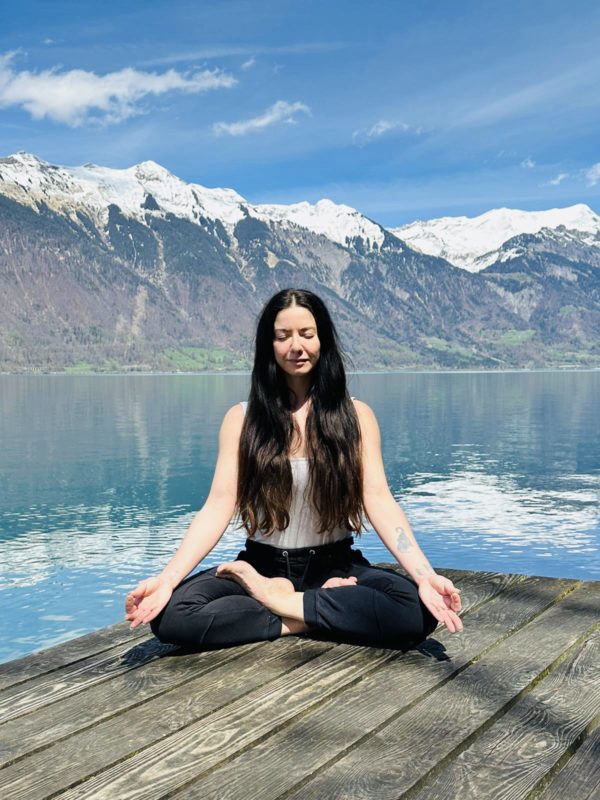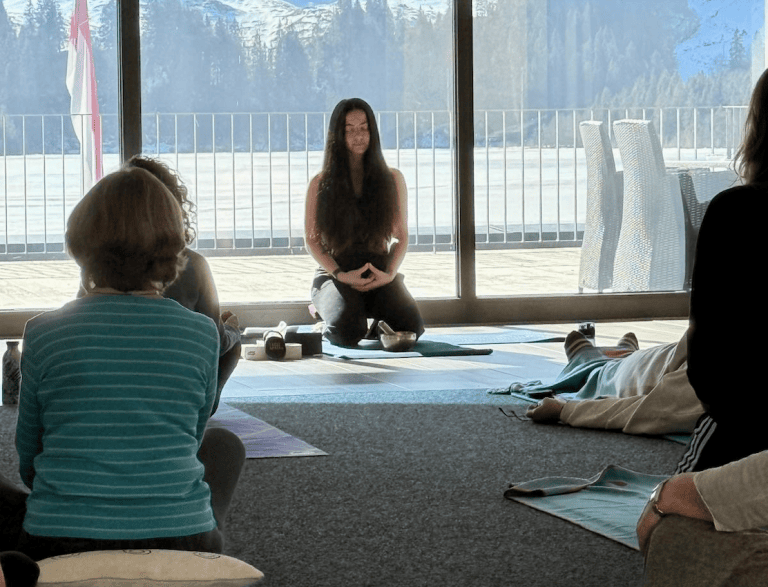
Why teaching yoga and meditation doesn’t mean being endlessly calm, always saying yes, or putting your own needs last.
Mention yoga, meditation, or Buddhism and many people picture someone who is endlessly patient. Someone who never gets angry, never challenges anyone and meets every insult with a peaceful smile. It’s an image that can turn compassion into an expectation of compliance. If you were really compassionate, wouldn’t you forgive immediately, avoid confrontation and let it go?
But understanding someone’s suffering doesn’t mean giving them permission to cause yours. Yoga and meditation teachers can practise compassion while setting clear boundaries, expressing disagreement and saying no. Feeling anger doesn’t invalidate what we teach; what matters is how we respond to it.
Do yoga and meditation teachers have to be calm all the time?
As a Buddhist and a yoga and meditation teacher trainer for over 17 years, I’ve heard comments such as, “You teach meditation, so aren’t you supposed to be calm all the time?” Or, “That’s not very Buddhist of you.” Sometimes, these expectations have surfaced when I’ve needed to hold a professional boundary. I’ve had clients request full refunds after cancelling a retreat or course at the last minute, leaving me unable to fill their place. When I’ve explained this and referred to the clear booking terms and conditions, a few have responded with anger: “That’s not very yogic.” “You’re meant to practise compassion.” “How can you call yourself a yoga teacher?”
I understand that having to cancel something you were looking forward to can be disappointing, and sometimes the circumstances are genuinely difficult. I can feel sympathy for someone’s situation while also recognising that I have financial commitments, bills to pay and a business to sustain. Being a yoga teacher doesn’t make those responsibilities disappear.
What troubles me is the suggestion that my compassion should be measured by whether I agree to what someone wants. That leaves very little room for my circumstances, or for a respectful difference of opinion. This expectation extends far beyond yoga. Anyone known for being kind, helpful, patient, or understanding can find that their “no” comes as an unwelcome surprise.
Compassion isn’t weakness or people-pleasing
Compassion involves caring about someone else’s suffering and wanting to relieve it. But that doesn’t mean every request must be granted or every disappointment prevented. Sometimes, what looks like kindness is actually our fear of being disliked. We might agree, because saying no feels uncomfortable. We avoid a necessary conversation because we don’t want someone to think badly of us. We stay silent, then find ourselves becoming resentful.
It’s worth asking ourselves: Am I choosing to be generous, or do I feel unable to refuse? Is my patience helping this situation, or am I hoping the problem will disappear? These questions don’t mean we should confront every irritation, because sometimes letting something go is a thoughtful, appropriate choice. The difference is whether we have genuinely chosen it.
We can understand why someone behaves as they do and still hold them accountable. Their stress, disappointment, or difficult circumstances may explain their behaviour without making it acceptable. But our needs must also be considered, and a version of compassion that consistently overlooks our own wellbeing is unhealthy.

Feeling anger doesn’t make you a bad teacher
Practising yoga, meditation or Buddhism doesn’t mean we suddenly stop feeling frustrated, hurt, jealous or angry. Having those feelings doesn’t make us fraudulent teachers or failed practitioners. Teaching calm doesn’t mean living in a permanent state of it!
The practice is to recognise what is happening and become more deliberate about what we do next.
There is a difference between feeling anger, believing everything it tells us and acting on it. Anger may draw our attention to unfairness or a crossed boundary, but its presence doesn’t automatically mean our interpretation is accurate, or that our first impulse is wise. We can notice the emotion, investigate what lies beneath it, and give ourselves time before responding. We can say that we are upset without humiliating someone, and can address a problem without seeking revenge.
Buddhist teachings encourage us to loosen anger’s grip, which takes practice. Pretending to be calm while inwardly rehearsing an argument is hardly the same as finding peace! Sometimes the most honest response is simply: “I’m upset, and I need a little time before we continue this conversation.” That pause gives us a chance to choose words we can stand by later.
How yoga teachers can set boundaries with compassion
The Buddha himself was willing to say things people didn’t want to hear. In the Abhaya Sutta, he explains that speech can be true and beneficial even when it is unwelcome. The timing and the concern for another’s welfare matters, but keeping every conversation comfortable is not the overriding aim. Although yoga and Buddhism are distinct traditions, this Buddhist teaching offers a useful question for anyone facing a difficult conversation: Am I speaking to address the situation, or to hurt the person? What is my intention here?
A compassionate boundary can be clear and direct, whether it be in a professional or personal situation. Examples of replies might be:
“I understand that you’re disappointed. I’m unable to offer the refund you’re requesting.”
“I’m willing to discuss this, but I’m not willing to be insulted.”
“I care about you, but I can’t take this on.”
For yoga and meditation teachers, setting boundaries might look like: protecting time outside teaching hours, being clear about what a course includes, or recognising when a student needs support beyond our expertise. Clear and direct communication, in-person, in an email, or on the phone can mitigate any future issues. Transparent expectations give people a better understanding of what we can offer. They also help us give our time and attention without repeatedly stretching ourselves beyond our capacity. There is room for flexibility and generosity when circumstances allow. What matters is that these are freely chosen, rather than extracted through guilt or accusations.
The same applies to acceptance. Acknowledging reality doesn’t mean agreeing that it should continue. “This is the situation” can be followed by “And I need to do something about it.” That might mean refusing an unreasonable demand, reporting bullying, leaving a harmful relationship, or having a conversation we have been avoiding.
The courage to stand up for yourself
Setting a reasonable boundary doesn’t guarantee that we will feel peaceful afterwards. We might shake, stumble over our words, or feel guilty. The other person might remain angry, and they may question our kindness or accuse us of having changed. But their displeasure doesn’t automatically mean we have done something wrong. Equally, our good intentions don’t mean we always get it right. We can apologise for a hurtful tone, while still standing by the boundary itself.
For me, this is where practice becomes especially valuable: in the uncomfortable moment when I want to defend myself, lash out, or give in simply to end the tension. The breathing, awareness, and reflection we practise become useful in those moments. They give us an opportunity to pause, consider what matters and respond with greater care, even when we don’t manage it perfectly. And once you’ve decided how to act, accept your decision, let it go, and don’t have a sleepless night because of it.
There is strength in staying open-hearted when we are hurt, and there is also strength in saying no, and allowing someone else to be disappointed. We can care about someone and still refuse what they are asking of us, and we can wish them well and choose to walk away. Always try to consider someone else’s situation and point of view with compassion. But do not proceed to the detriment to your own beliefs, needs, health, peace, or happiness.
Compassion can have a firm voice.
Certify with me on my next Yoga Alliance 200 hrs Teacher Training Course in France in 2027 or Contact me for information on private or public work.