My recommendations for the best spiritual books by category
Embarking on a spiritual journey can be enriching yet overwhelming, given the vast array of texts available. Therefore I decided to write an article with my recommendations for the best spiritual book for beginners in each major category by pairing a modern interpretation with a classical source. These selections are chosen for their clarity, approachability, and depth, offering practical wisdom for readers seeking personal growth, self-discovery, and connection to something greater. If you don’t consider yourself a ‘beginner’ when it comes to any of these topics, then I suggest jumping straight to the classical recommendation instead of the modern one.
Buddhism
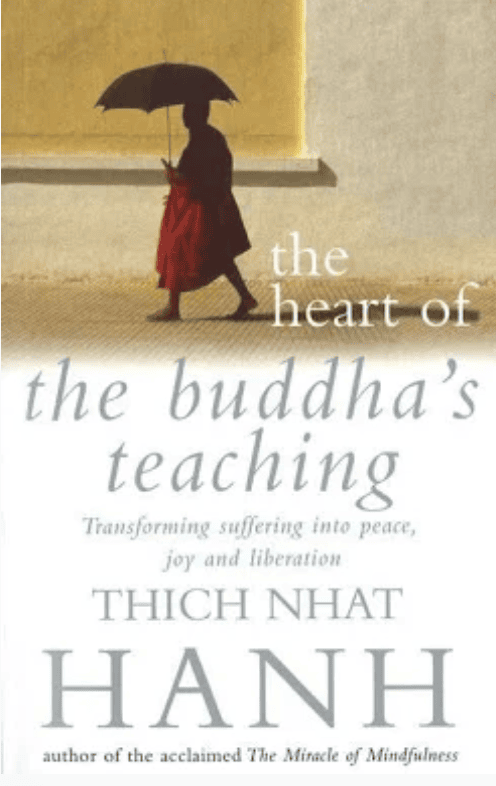 Modern: The Heart of the Buddha’s Teaching by Thich Nhat Hanh is a comprehensive guide that makes Buddhist philosophy accessible through compassionate explanations and real-world applications. Hanh introduces essential teachings like the Four Noble Truths, the Noble Eightfold Path, and mindfulness in everyday life. The language is simple, making it ideal for beginners.
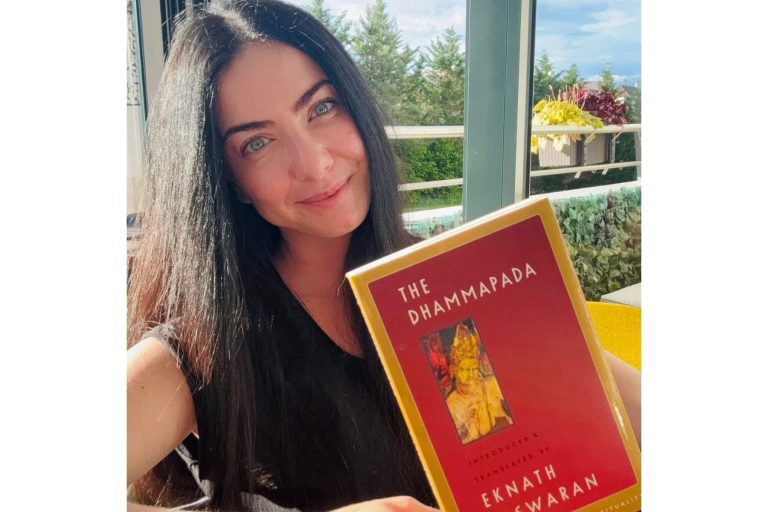
 Classical: The Dhammapadais a revered collection of the Buddha’s sayings, offering concise and poetic reflections on how to live a moral, mindful life. Its timeless verses distill key Buddhist teachings, such as impermanence, compassion, and inner peace, making it an approachable source of original wisdom. My favourite translation of the Dhammapada is by Eknath Easwaran, which I think makes it easy for the modern reader to understand while maintaining the integrity of the teachings.
Hinduism
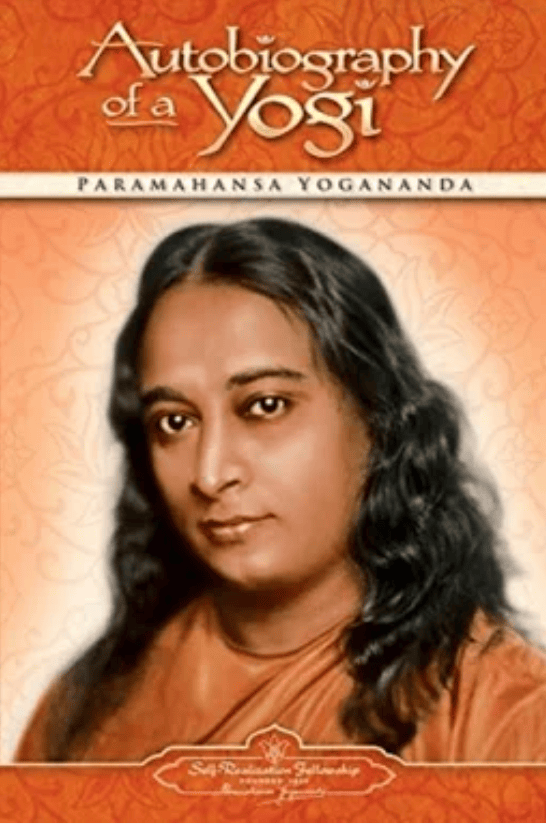 Modern: Autobiography of a Yogi by Paramahansa Yogananda blends vivid storytelling with deep spiritual insight, introducing readers to meditation, karma, and the yogic path. Yogananda’s journey through India and to the West makes Hindu spirituality relatable and inspiring.
 Classical: The Bhagavad Gita is a dialogue between Lord Krishna and Arjuna on the battlefield, offering profound guidance on duty, self-realization, and the different paths of yoga. This text serves as a central spiritual resource in Hinduism and is highly accessible to new readers with commentary. My recommendation would again be Eknath Easwaran’s translation, however there are many other good ones, and if you enjoy the Gita, then it’s worth reading other versions.
Eastern Philosophy
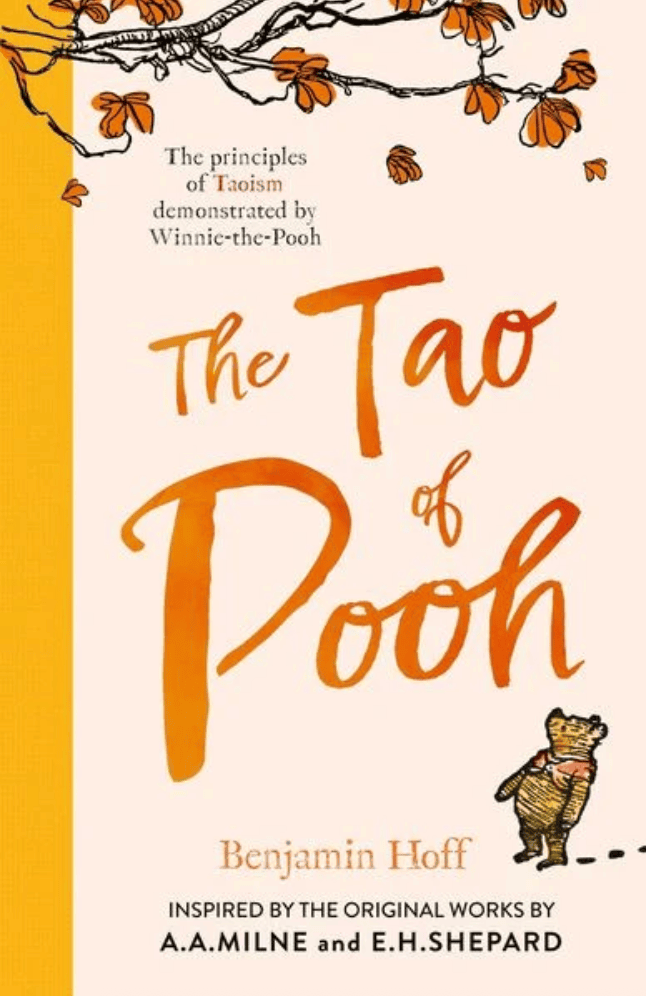 Modern: The Tao of Pooh by Benjamin Hoff uses characters from Winnie-the-Pooh to convey the essence of Taoism in a playful and digestible way. Hoff introduces concepts like Wu Wei and natural simplicity through relatable, lighthearted analogies that make philosophical ideas engaging and easy to grasp.
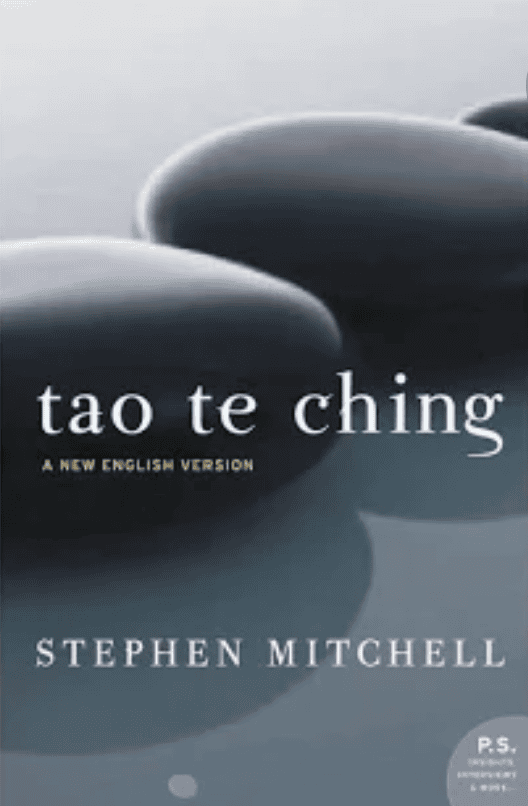 Classical: Tao Te Ching by Lao Tzu is a foundational Taoist text composed of short, poetic chapters emphasizing humility, balance, and effortless action. Its teachings are abstract yet powerful, encouraging readers to observe nature and live in harmony with the flow of life. Personally I love Stephen Mitchell‘s translation of the Tao Te Ching (Nb: pronounced Dow Deh Jing) because it’s a beautiful and easy read.
Yoga
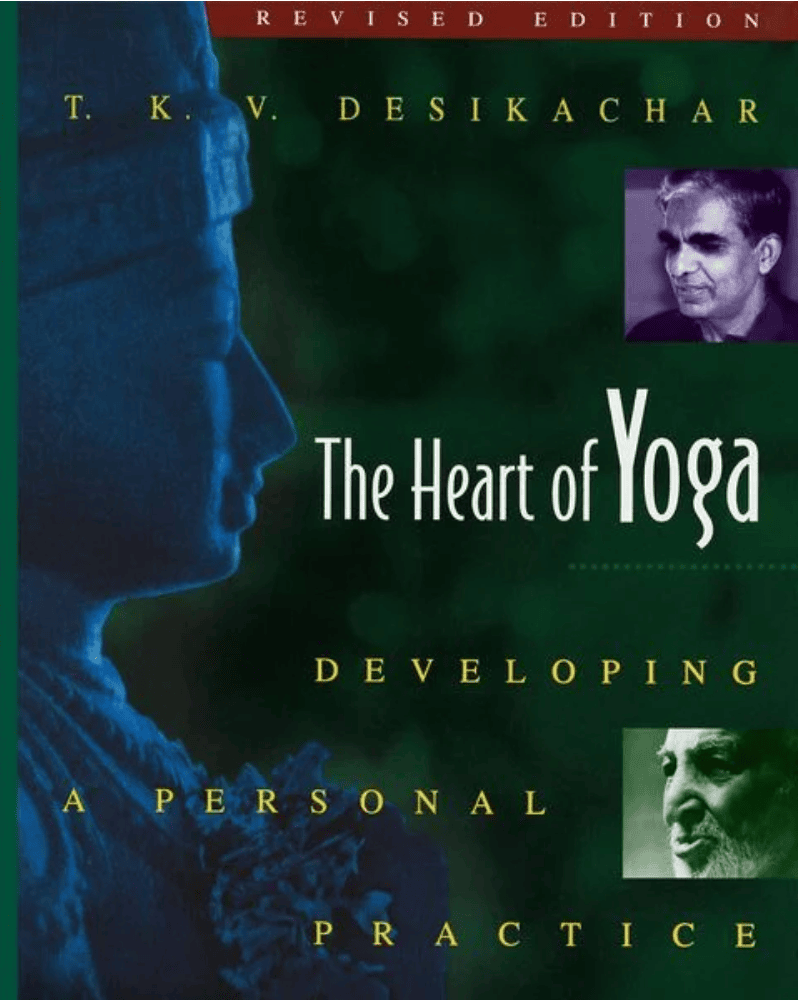 Modern: The Heart of Yoga by T.K.V. Desikachar presents yoga as a personal and adaptable discipline that goes far beyond physical postures. It includes practical instruction on breathwork, meditation, and ethical living while providing commentary on the Yoga Sutras. It’s quite a large heavy book, so not one you can carry around, but definitely worth it in my opinion.
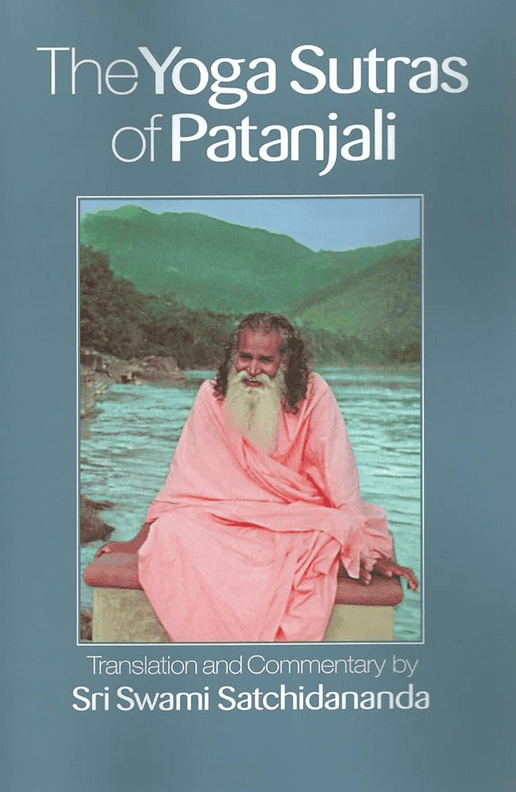 Classical: The Yoga Sutras of Patanjali is a foundational text that outlines the eight limbs of yoga, including ethical precepts, concentration, and meditation. Though brief, the Sutras offer profound insights into the mind and the spiritual goals of yoga practice. I recommend the translation by Swami Satchidananda for its clarity and interpretations, but there are many other versions you can try.
Meditation
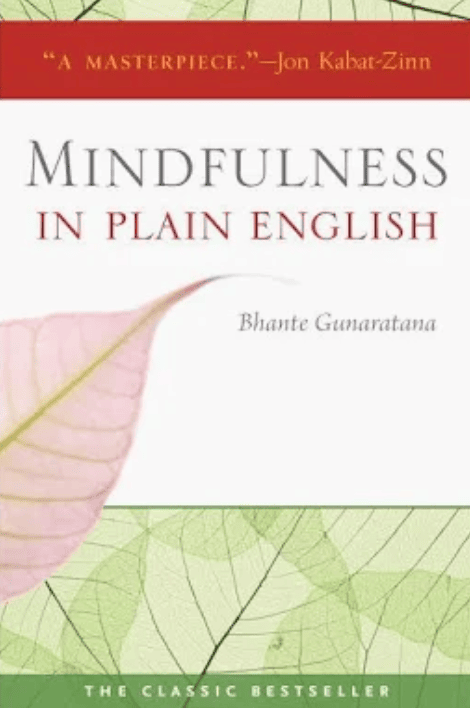 Modern: Mindfulness in Plain English by Bhante Gunaratana is a user-friendly introduction to Vipassana meditation, one of the most well-known meditation practices. This meditation book covers the fundamentals of posture, breath awareness, and mental clarity with clarity and humor, making it ideal for those just beginning a practice.
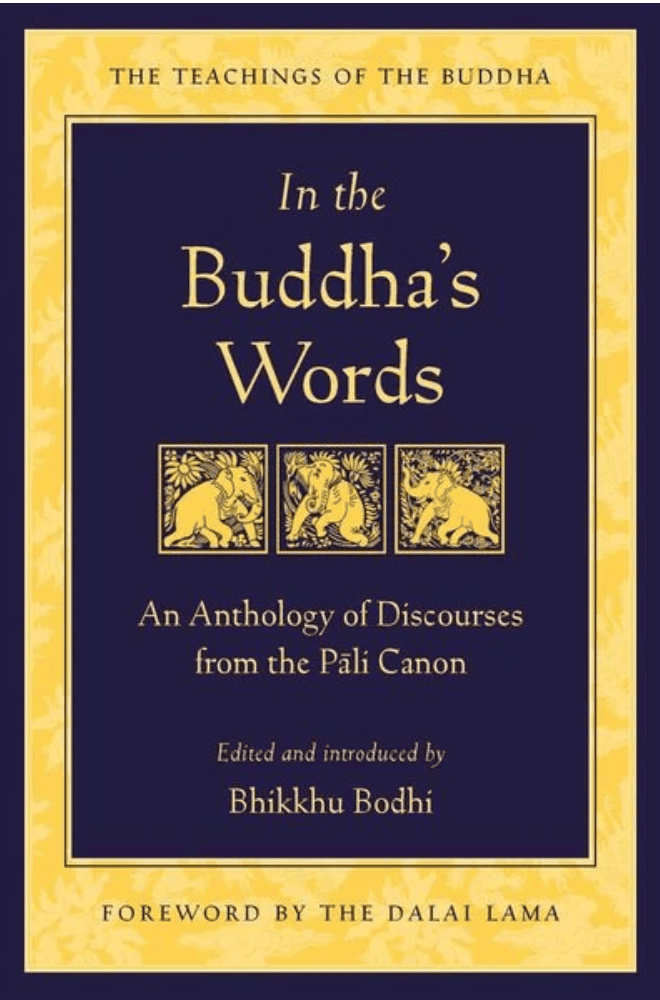 Classical: Anapanasati Sutta offers the Buddha’s step-by-step instructions for developing mindfulness through awareness of breathing. This foundational discourse outlines how breath meditation cultivates calm and insight, forming the basis of many contemporary practices. For a great translation of the Anapanasati and the Satipatthana Suttas, I highly recommend the encyclopedic In The Buddha’s Words by Bhikkhu Bodhi, however you can also find them with the Heart Sutta below.
Mindfulness
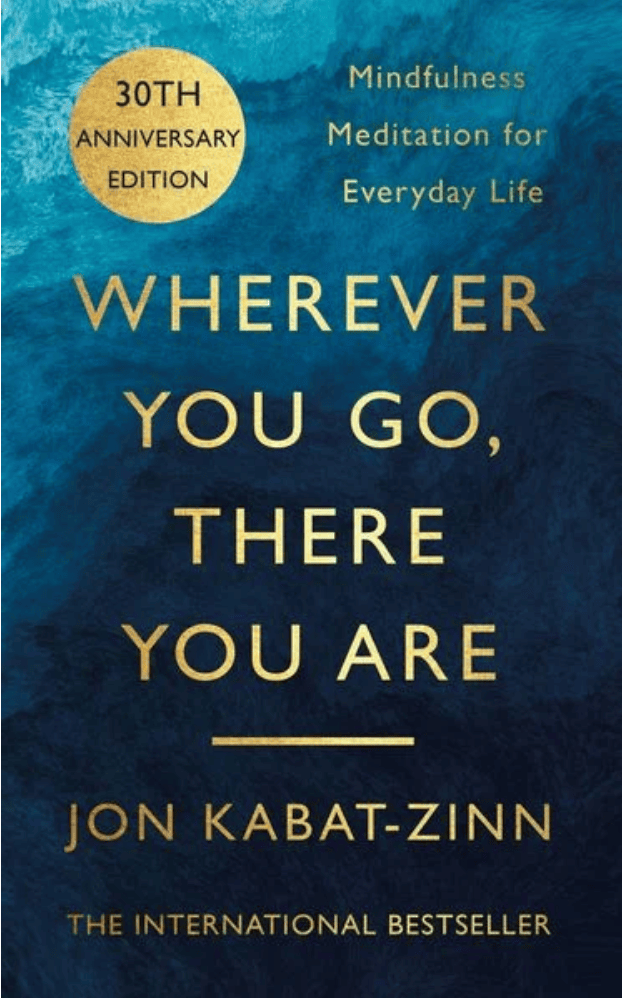 Modern: Wherever You Go, There You Are by Jon Kabat-Zinn presents mindfulness as a way of life rather than a technique. Through short reflections and personal anecdotes, Kabat-Zinn shows how to cultivate presence in everyday moments without needing special equipment or settings.
Classical: Satipatthana Sutta lays out the Buddha’s core teachings on mindfulness, focusing on awareness of body, feelings, mind, and mental objects. It forms the backbone of many modern mindfulness programs and remains a clear guide to deepening awareness. As per the Anapanasati Sutta above, you can either read the Satipatthana Sutta in Bhikkhu Bodhi’s book or Thich Nhat Hanh’s below.
Connection to Self
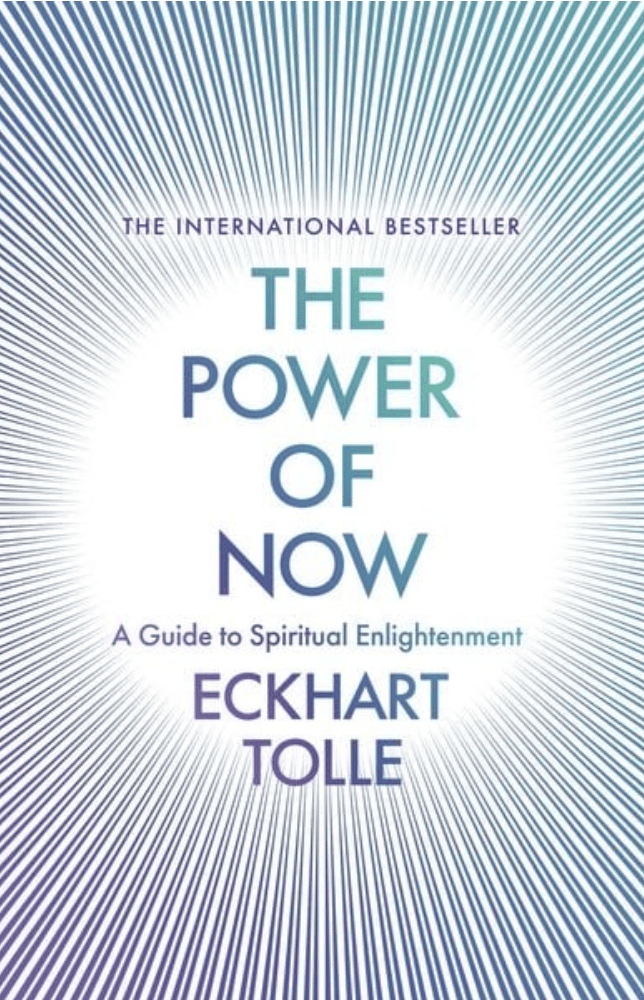 Modern: The popular book The Power of Now by Eckhart Tolle invites readers to detach from ego and mental noise by anchoring awareness in the present moment. With clear language and practical pointers, it reveals how presence can lead to inner peace and realization of one’s true self.
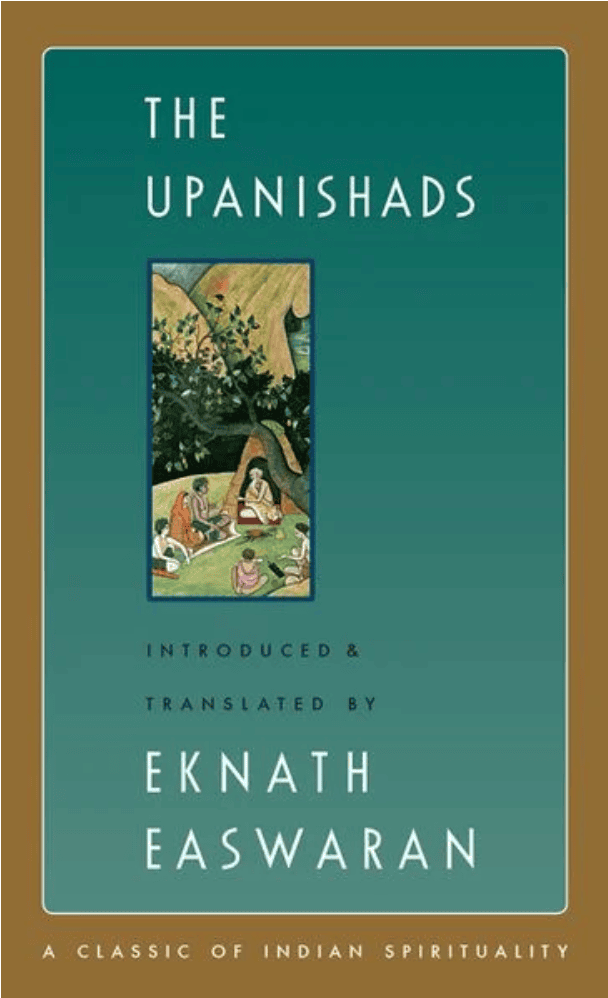
Classical: The Upanishads delve into the nature of the Self (Atman) and its unity with Brahman, the ultimate reality. These ancient philosophical dialogues explore deep questions about consciousness and offer timeless insights into self-knowledge and spiritual liberation. Another example where I highly recommend the translation by Eknath Easwaran, who explains the different selected Upanishads in this book very well.
Connection to Nature
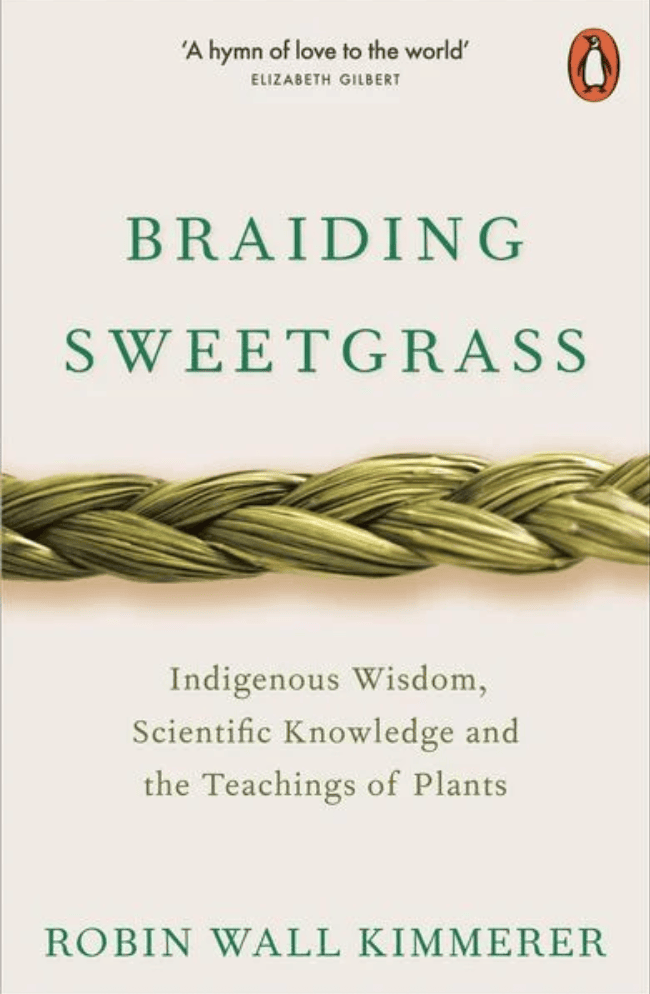 Modern: Braiding Sweetgrass by Robin Wall Kimmerer blends Indigenous wisdom, personal stories, and ecological science to celebrate the sacred relationship between people and the natural world. It inspires gratitude, stewardship, and reverence for all life.
 Classical: Walden by Henry David Thoreau reflects on solitude, simplicity, and spiritual renewal through close observation of nature. His account of living by Walden Pond is a philosophical and poetic call to reconnect with the rhythms of the Earth.
Self-Improvement
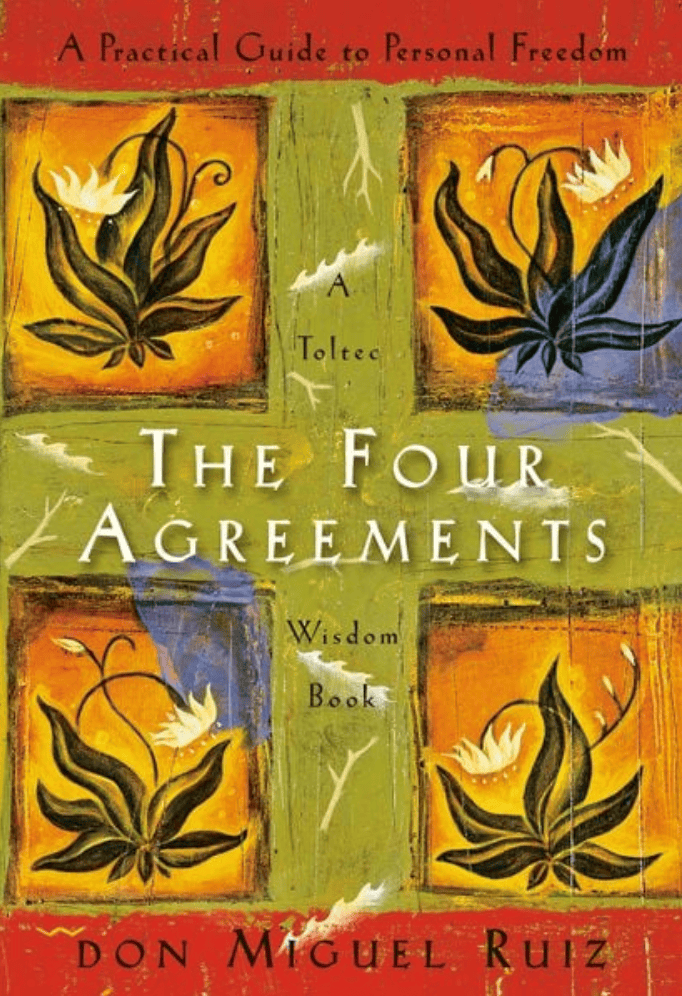 Modern:The Four Agreements by Don Miguel Ruiz outlines a practical code of conduct based on ancient Toltec wisdom. Its four principles—be impeccable with your word, don’t take things personally, don’t make assumptions, and always do your best—offer a simple but transformative approach to personal freedom.
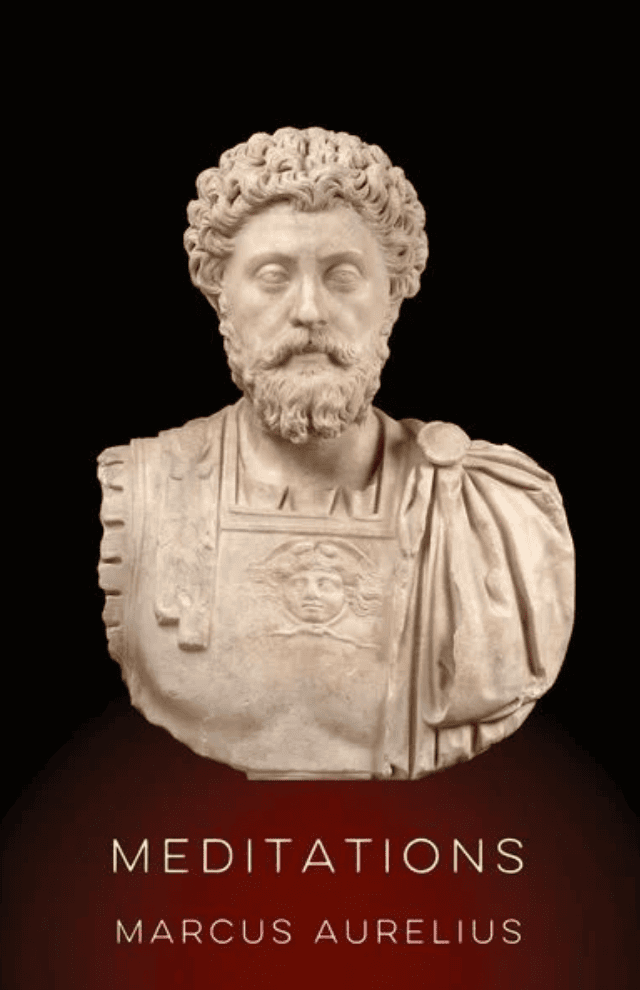 Classical:Meditations by Marcus Aurelius collects the Roman emperor’s reflections on virtue, duty, and inner strength. Rooted in Stoic philosophy, it provides timeless advice for cultivating resilience, self-discipline, and calm in adversity.
Non-Dualism
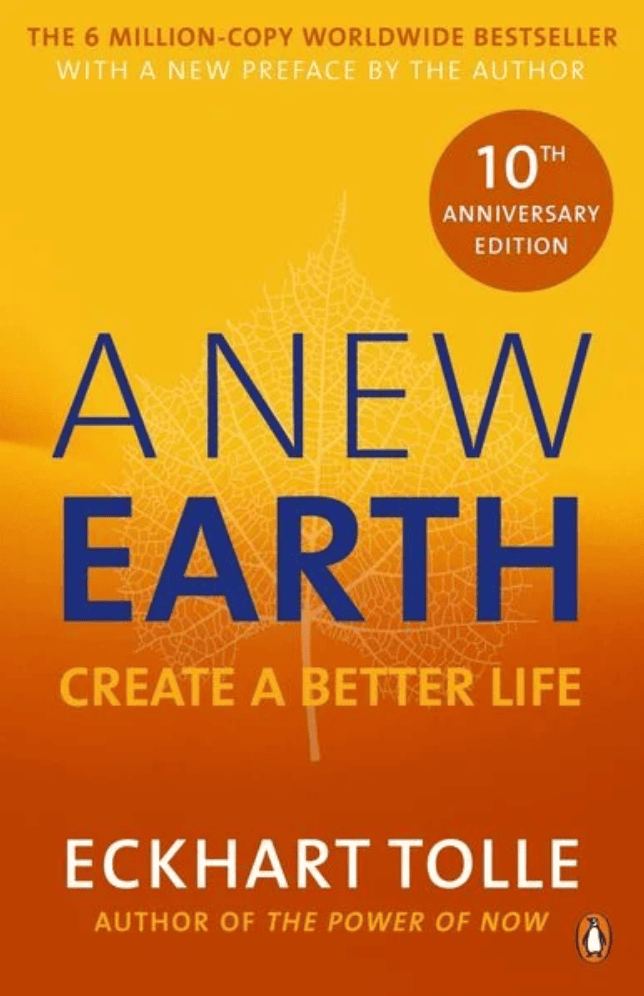 Modern:A New Earth by Eckhart Tolle expands on the idea of awakening from egoic consciousness to realize a deeper unity with all life. It explains how dissolving the false self leads to spiritual awakening and meaningful change.
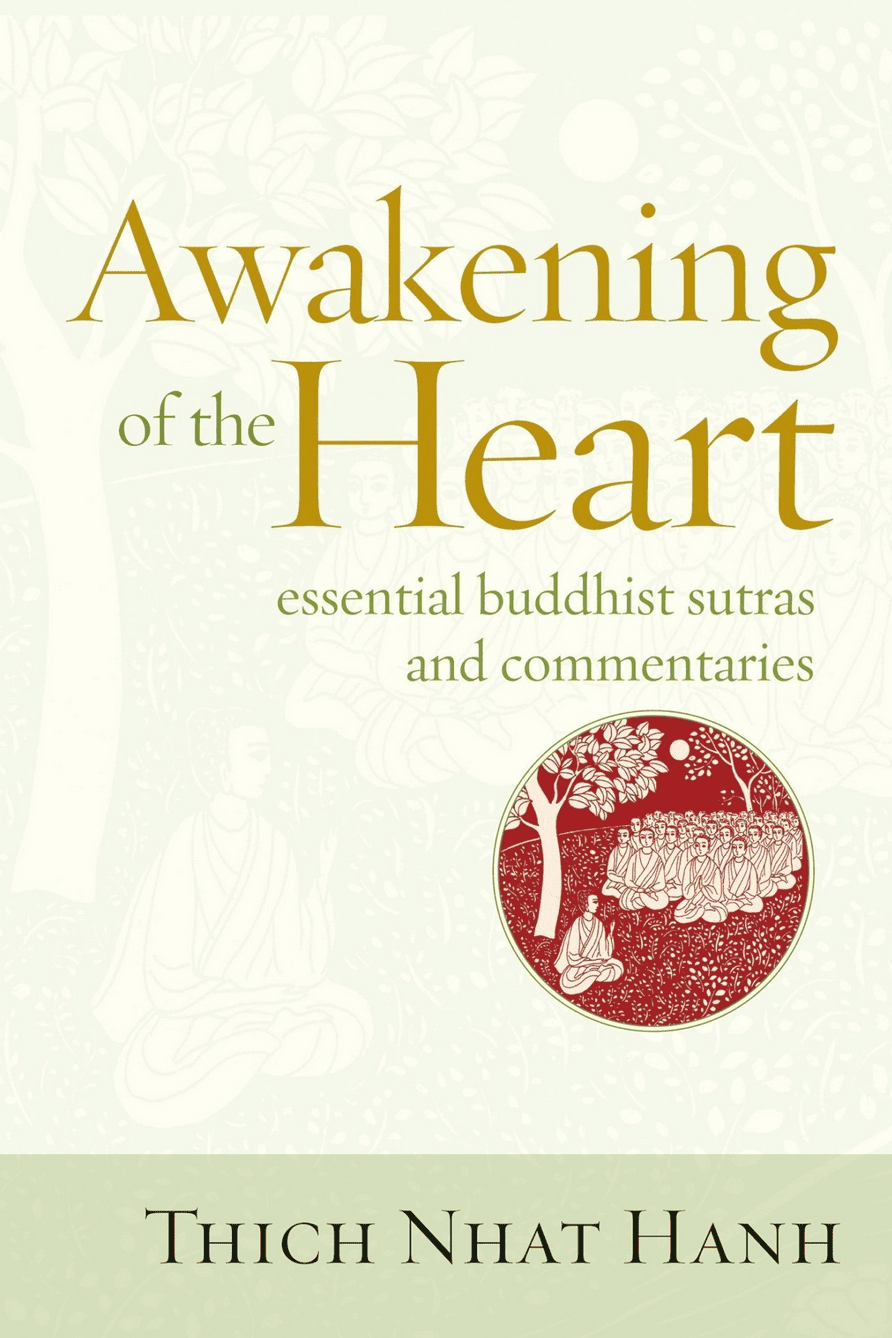 Classical: The Heart Sutra is a core Mahayana Buddhist text that distills the concept of emptiness and the non-dual nature of reality. With its famous line, “Form is emptiness, emptiness is form,” it captures the essence of transcending separation. My all time favourite version of the Heart Sutta is by Thich Nhat Hanh is his (large and heavy) book Awakening of the Heart, which also includes the Satipatthana and the Anapanasati Suttas.
The Best Spiritual Book Conclusion
Choosing the best spiritual book depends on your path, but these recommendations balance ancient wisdom and modern relevance. Whether you seek clarity, peace, or transformation, these books can serve as reliable companions at every stage of your journey into eastern philosophies and spirituality. If you have any recommendations of books that you’ve read in these categories, please do share then with me via DM on @indiv_yoga instagram.
Happy Reading!